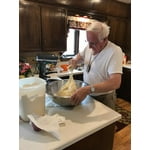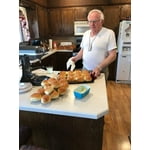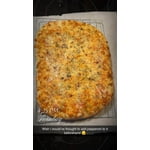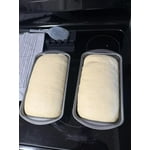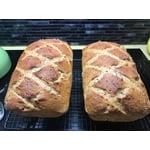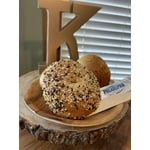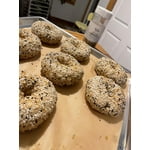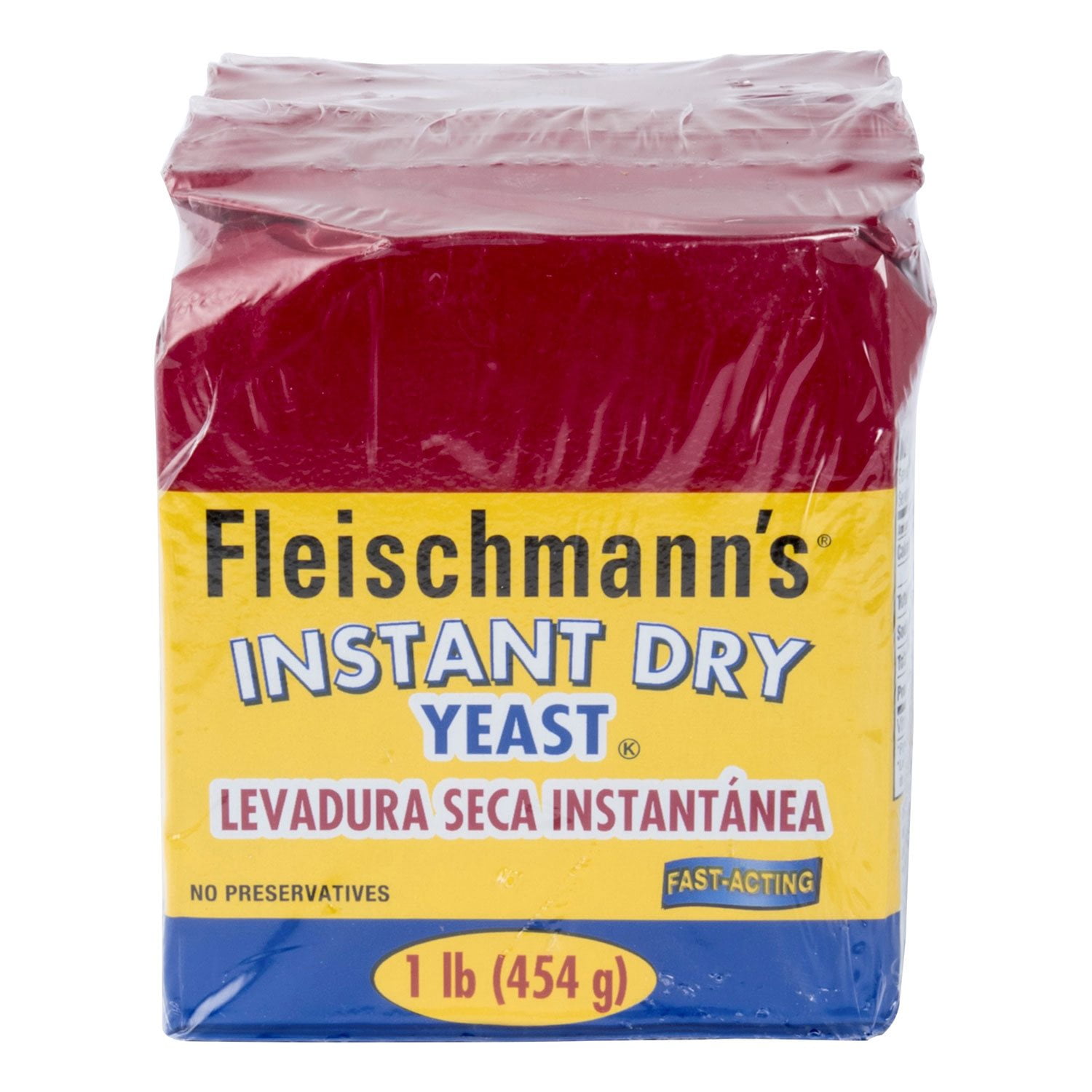
I use this yeast for very long periods before throwing out. After opening, I pour it's contents into a gallon ziplock bag a make very sure that I leave as little air as possible in the bag and store in crisper in fridge. I keep the other brick in the pantry. The price is a huge benefit when compared to the mini 3-pack yeasts sold at the grocery for about the same price as two pounds of the Fleischmann's yeast. I have been making homemade pizza for for over 30 years and used to make a couple of loaves of french bread every week when our kids were growing up. They have long flown the coup and are raising their own teenagers. I generally always proof the yeast prior to blending with the flour. We own both a Kitchenaid stand mixer and a commercial Hobart stand mixer. What I have found is that, since it's just my wife and I, our cuisinart food processor works fine for single loaves or single pizzas. I can whip up a loaf of Amish white bread in about 5 minutes. I generally always make a "cake" using the normal chopping blade for a goopy mix. I then add salt, oil and more fluor and change blades to dough blade. I just add fluor until I get the right consistency. Once you've made enough dough, you go by feel more than measuring other than the fundamental ratios. One tablespoon yeast per cup of water. It's imperative to make sure that the yeast is virtually air free in the bag. I also use an infrared temperature gun. It is more fancy than you will need for cooking candy or checking temp of yeast water temp. I have seen similar units for sale for under $50.00 online. My unit was used in my professional work (mechanical engineer and state certified mechanical contractor) and has some features not required for cooking. The temperature of your water yeast mix is very important. The ratio that promotes rapid division of yeast is around but below 115F. Since it's a logarithmic function, one degree can speed up growth much more than you might think. I use filtered water and heat water and sugar mix (for Amish white bread) to around 114F. Since the yeast is cold, one tablespoon will cool to about 112F. Once the mix foams I pour into about a cup and a half of flour. I mix with chopping blade and do the switch out. Oil a bowl (usually the SS Kitchenaide bowl) and cover with wet towel. On a nice warm day I set outside until the dough doubles in size. Another tip, if you have two ovens, the baking oven should be set to 350F and should bake for 25 minutes before brushing the egg white and water mix on top. Leave for additional 5 minutes and then place in lower oven at 150F. This keeps the bread from being shocked by heavy delta Temp. About 5 to seven minutes should do. Then pour out loaf to rack for cooling. I have halved the standard recipe since I make a loaf about once per week. Many years ago, I got a book called "The complete Book of Breads". Breads like Turkish black bread require significant kitchen time and also some experience with working dough. I generally don't reccomend books but for bread, I don't think I have seen anything even close to the size or quality of bread recipies contained in this book. Amish white bread recipe halved follows;
Amish white bread
1 cup warm water (110 degrees F/45 degrees C)
1/3 cup white sugar
3/4 tablespoon active dry yeast
1 teaspoons salt
2 Tablespoons vegetable oil
3 cups bread flour
Directions
In a large bowl, dissolve the sugar in warm water, and then stir in yeast. Allow to proof until yeast resembles a creamy foam.
Mix salt and oil into the yeast. Mix in flour one cup at a time. Knead dough on a lightly floured surface until smooth. Place in a well oiled bowl, and turn dough to coat. Cover with a damp cloth. Allow to rise until doubled in bulk, about 1 hour.
Punch dough down. Knead for a few minutes, and divide in half. Shape into loaves, and place into two well oiled 9x5 inch loaf pans. Allow to rise for 30 minutes, or until dough has risen 1 inch above pans.
Bake at 350 degrees F (175 degrees C) for 30 minute