
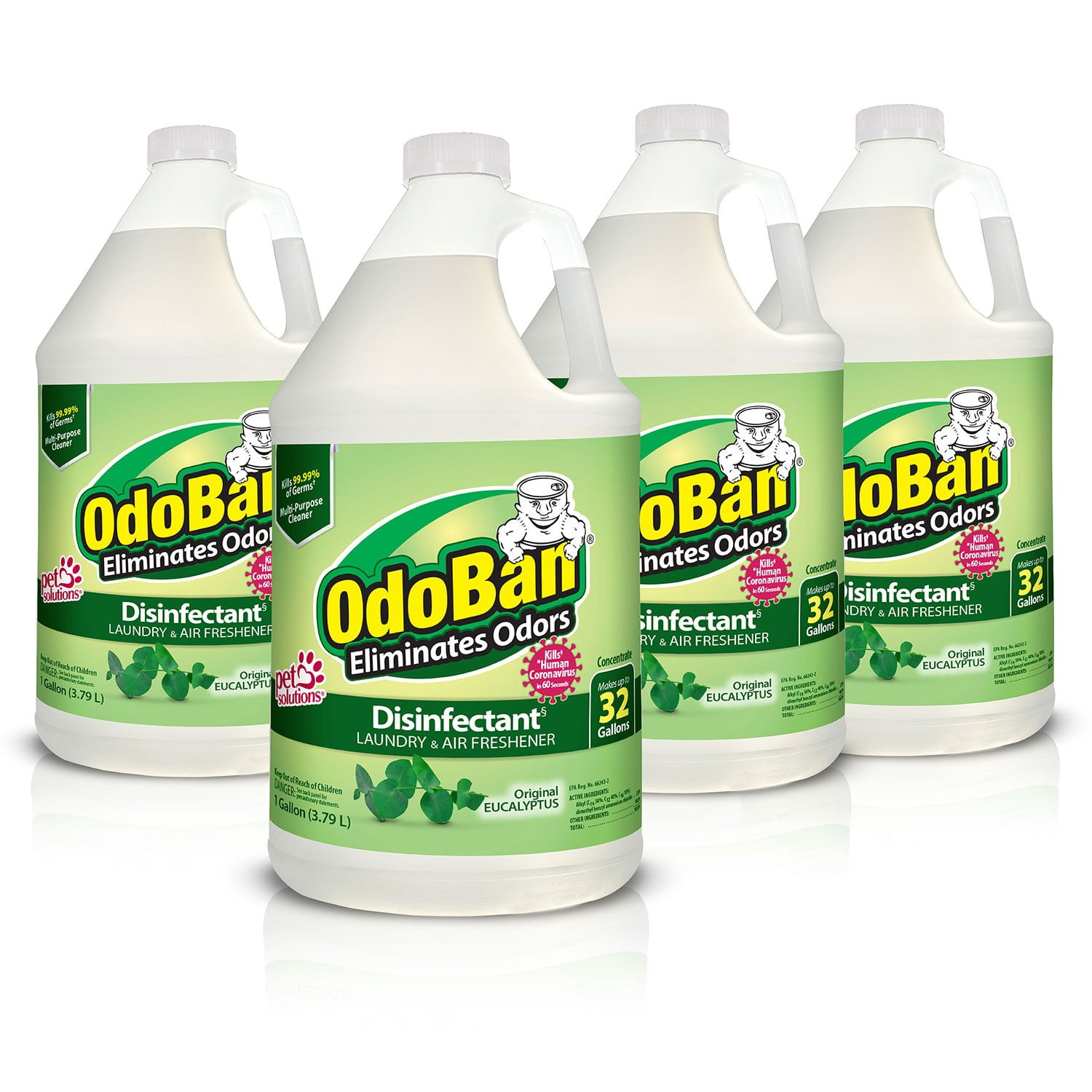
 Customer reviews for OdoBan Odor Eliminator and Disinfectant Concentrate, 4 pk., Choose Scent for
OdoBan Odor Eliminator and Disinfectant Concentrate, 4 pk., Choose Scent
4.8 out of 5 stars
stars
2,357 ratings790 reviews
Member photos





Sort by |
Showing 161-170 of 790 reviews
Aug 29, 2023
Reviewer name: jackiv
5 out of 5 stars review
Verified Purchase
Can’t live without
Helpful?
Aug 8, 2020
Reviewer name: Anonymous
5 out of 5 stars review
Verified Purchase
Over a Decade of using OdoBan
Helpful?
Aug 31, 2020
Reviewer name: Anonymous
5 out of 5 stars review
Verified Purchase
OdoBan Odor Eliminator and Disinfectant Concentrat
Helpful?
Dec 11, 2018
Reviewer name: Bachy
5 out of 5 stars review
Verified Purchase
great for my laundry
Helpful?
Aug 14, 2020
Reviewer name: Tray
5 out of 5 stars review
Verified Purchase
Fabulous pet stain remover both indoors & outdoors
Helpful?
Aug 8, 2020
Reviewer name: Anonymous
5 out of 5 stars review
Verified Purchase
Best disinfectant for laundry ever!!!
Helpful?
Dec 5, 2018
Reviewer name: SamsShopper53
5 out of 5 stars review
Verified Purchase
Excellent Product
Helpful?
Aug 7, 2020
Reviewer name: Anonymous
5 out of 5 stars review
Verified Purchase
The best cleaning product I have ever used !!
Helpful?
Oct 5, 2020
Reviewer name: Anonymous
5 out of 5 stars review
Verified Purchase
Fresh and clean!
Helpful?
Oct 20, 2019
Reviewer name: Lkemeralds1951
5 out of 5 stars review
Verified Purchase
Wonderful product
Helpful?