I live in a rural area and suffer through at least a few multi-day outages every year. The worst one was during an ice storm right before Thanksgiving a few years ago that left us without power for a week and a half. Coming home to what feels like a cold campsite daily living off whatever you can make on a natural gas cooktop and warming yourself by the fireplace is not my idea of a relaxing evening. Add to that, my neighbors Generac’s taunting me with their loud engines all day and night. After that, I decided that I was going to do some research on the best option and spend the money on a system so that I’d never live through that again.
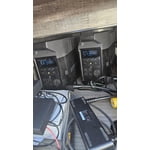
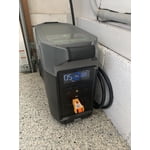
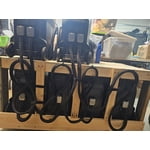
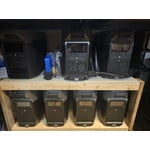
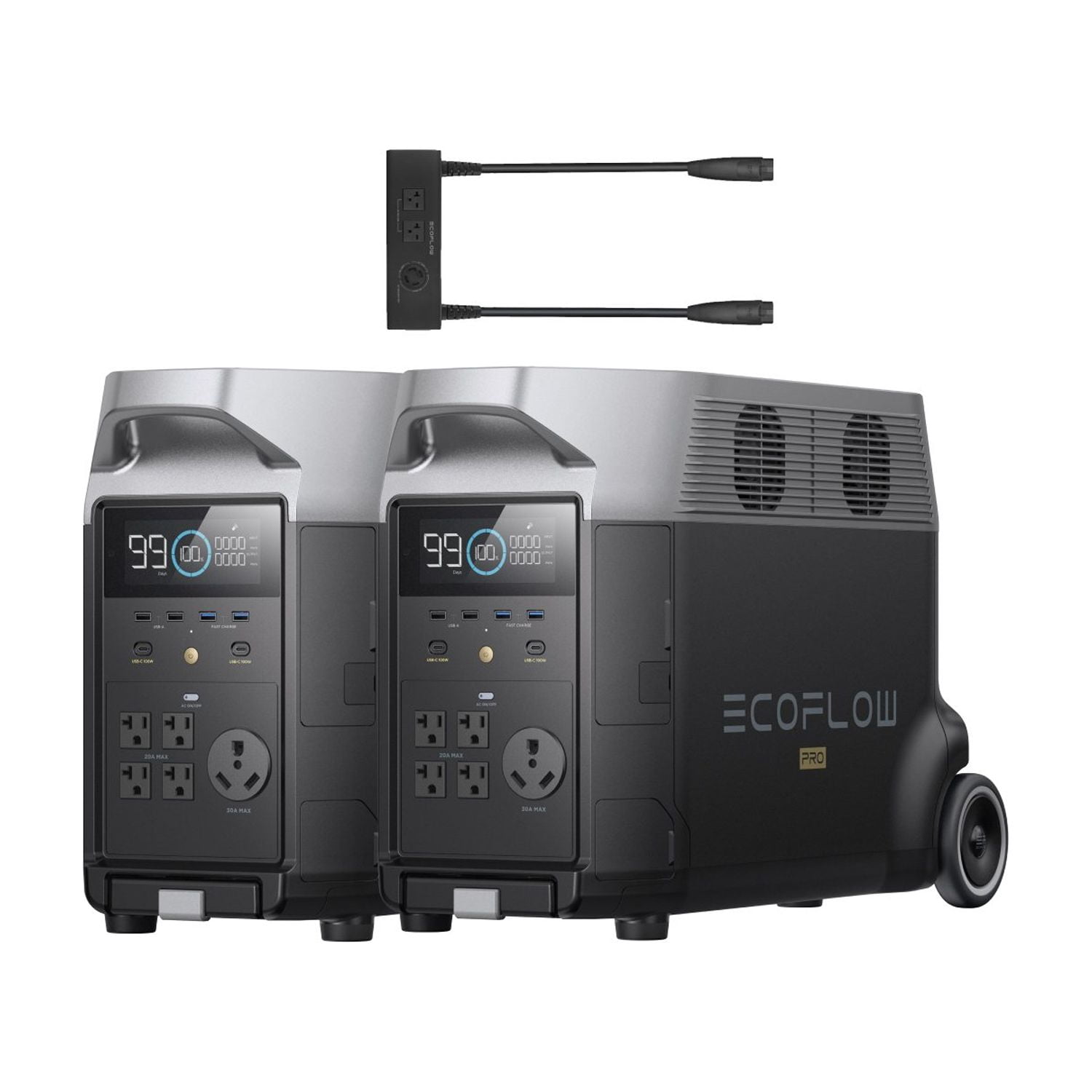
I had a 10 circuit manual transfer switch installed at my home by an electrician. It allows me to plug in my 7500w gas generator or my 2 EcoFlow Delta Pros and 2 extra batteries via the dual voltage hub. This setup allows me to primarily run the quiet EcoFlow system at night and use the gas generator to re-charge my EcoFlow system during the day, or use it as the ultimate backup if needed.
I have the following on my switch: Water Well Pump, Furnace/thermostat, Garage (internet modem location), basement, bathroom, kitchen (includes fridge, freezer, cooking appliances, lights), living room (TV, work from home office), master bedroom. The EcoFlow handles all of that with no issues. During my first test day, I took a long hot shower and had my furnace cranking on a 19 degree PA night. Ran my lights, TV, internet as usual and woke up the next day with plenty of power left. Coffee was brewed and the house was warm. Obviously, during a real outage, I’d be a bit more conservative on what I use to save the batteries a bit, but the point is that it’s capable of getting you through the night and beyond.
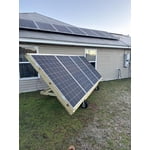
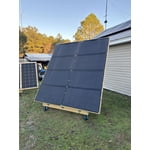
I have tested the EcoFlow system and have found it to be able to power my home reliably and realistically for a little over 24 hours without needing to be recharged. I maintain my setup by running a monthly “fire drill”, connecting my EcoFlow system, shutting off the main breaker, turning on the transfer switch, and living as I would during an outage for a day. The next day, when my EcoFlows get down to about 20% left, I turn the main power back on, fire up my generator, and recharge the EcoFlows.
Having a transfer switch installed and using the EcoFlow combined with a gas generator IS EXPENSIVE. Even on sale, this system is NOT cheap. However, it is still slightly less expensive than what I was quoted for a Generac full home natural gas generator installation. What I like about it is the fact that you can quietly power your home at night, have multiple refuel/recharge options, and most importantly, you’re not at the mercy of the power company, natural gas company, and the Generac repairman when your expensive unit ultimately fails. This setup allows me to plug and play anything strong enough to power my switch if anything happens to fail. You can’t do that with a Generac. My area has also had natural gas issues from time to time with low/no pressure. Again, that renders your Generac useless.
I plan on buying another battery or 2 during one of the sales this year. I kind of regret not waiting for the Delta Pro Ultra to be released and buy that, but I am happy with this system. It’s disappointing that EcoFlow hasn’t made an easy adapter to connect the Delta Pro Ultra and Delta Pros. I know you can do it with the smart panel, but I already have a transfer switch that works perfectly fine. If you’re young and capable of maneuvering them and plugging things in and operating a transfer switch, this is a nice system. I’m so happy it’s on wheels! It would be nice if some of the cords, including the ones that are used to re-charge the units and the ones that connect the battery to the main unit, were longer. I am really hoping the price on this equipment continues to become more reasonable so people like me can have an affordable arsenal of backup power stored in their home for the next disaster that the power company didn’t prepare for and cannot fix in a reasonable amount of time.