


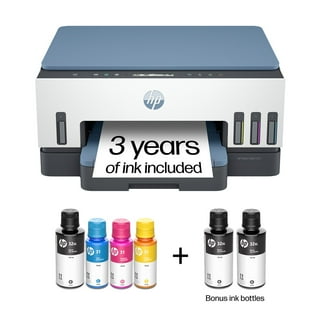
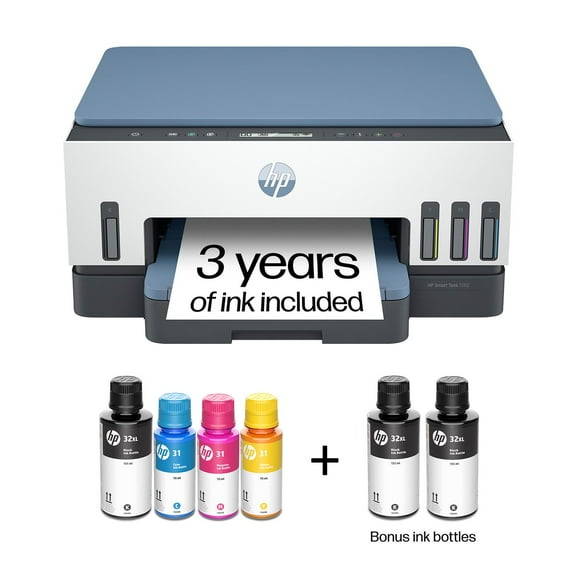
HP Smart Tank 7002 All-in-One Inkjet Printer, 2 Bonus Black Ink Bottles
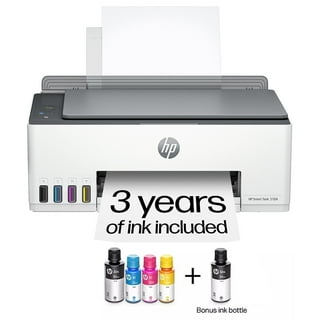
HP Smart Tank 5104 Wireless All-in-One Inkjet Printer w/Bonus Black Ink Bottle
Supertank Printers
Frequently Asked Questions
About Supertank Printers
Print More for Less with Eco-Friendly All-in-One Supertank Printers
High-volume document workflows require an ultra-reliable, efficient printing solution that eliminates the constant expense and hassle of traditional ink replacement. At Sam’s Club, our Supertank Printers collection showcases the latest advancement in desktop imaging technology. By trading out small, low-capacity plastic cartridges for massive integrated ink reservoirs, these all-in-one machines deliver thousands of vibrant pages right out of the box, offering exceptional operating value for home offices, classrooms, and busy small businesses.
Supertank Inkjet Printers Buying Guide
Printing can be an expensive exercise when you have to produce printed copies regularly. The high cost often comes as a result of the bloated price of cartridges used in ordinary inkjet printers. Ink in such printers also runs out frequently making its replacement costly, tedious and sometimes messy.
Due to these challenges, manufacturers have developed innovative supertank printers that generate thousands of documents inexpensively. At Sam's Club, we have supertank printers from top manufacturers that are economical on ink and maintenance.
Brother, HP and Epson are three brands that stand out as some of the best printers we offer our customers. Below is a guide on how to select the right supertank printer for your needs. Let's get started.
Shop Leading Supertank Hardware & Bundles
Explore our top-rated refillable ink reservoir systems configured for wireless networking and robust multi-tasking:
Epson EcoTank Special Editions
Harness the pioneering liquid-reservoir design that maximizes crisp color accuracy while dropping printing overhead.
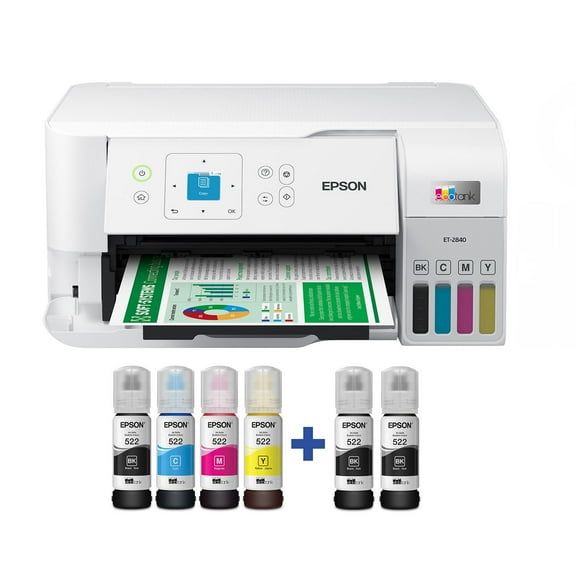
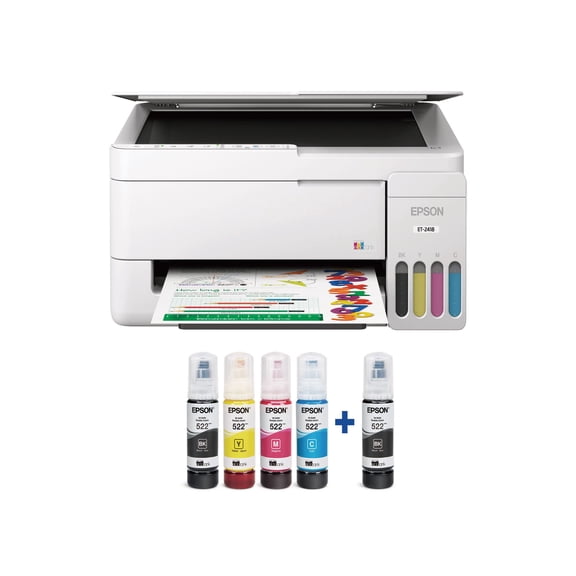
- Epson EcoTank ET-2840 Special Edition All-in-One Wireless Color Printer – A compact, user-friendly powerhouse that arrives bundled with two bonus black ink bottles to give you up to two years of starting fluid.
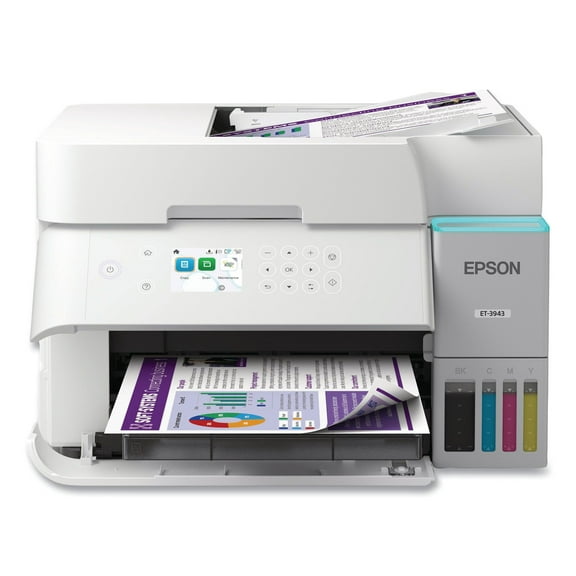
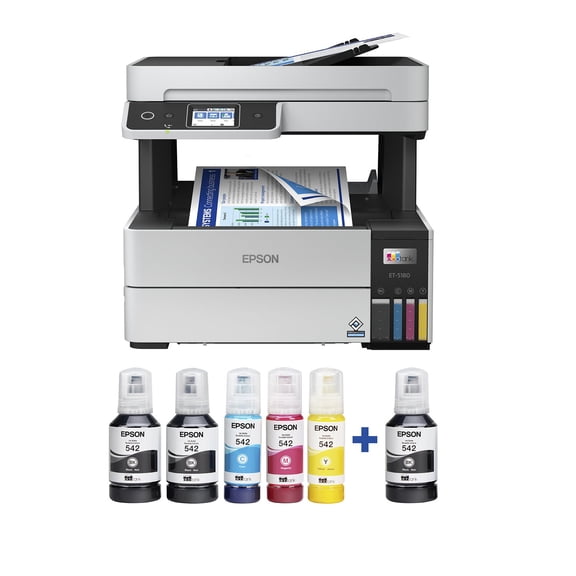
- Epson EcoTank ET-3943 Special Edition All-in-One Color Printer – A business-oriented solution equipped with automatic double-sided printing, a generous paper cassette, and high-speed scan mechanics.
HP Smart Tank High-Capacity Systems
Experience intuitive, app-driven document control coupled with robust, enterprise-level network safety protocols.
- HP Smart Tank 7002 All-in-One Wireless Inkjet Printer – Integrates a dynamic magic touch-panel interface and dual-band Wi-Fi connectivity that automatically self-heals dropped signals.
Why Buy a Supertank Printer from Sam’s Club?
We make configuring your workspace straightforward, ecological, and highly cost-effective.
- Incredible Out-of-the-Box Value: Our special edition supertank bundles are specifically packed with premium extras, such as full-capacity bonus ink refill bottles, giving you massive print volumes right from day one.
- Drastic Cost-Per-Page Reduction: Refilling a supertank using a high-yield factory bottle can lower your operational expense down to a fraction of a cent per page, saving you up to 90% compared to traditional ink cartridges.
- Eco-Conscious Operations: By shifting to bulk ink bottle refills, your workspace significantly minimizes the volume of discarded plastic cartridge casings entering local landfills.
- Complete Workspace Outfitting: Easily round out your technology zone by adding our bulk inventory of multipurpose copy paper, file storage cabinets, and desk organizers straight to your order.