

Ink & Toner
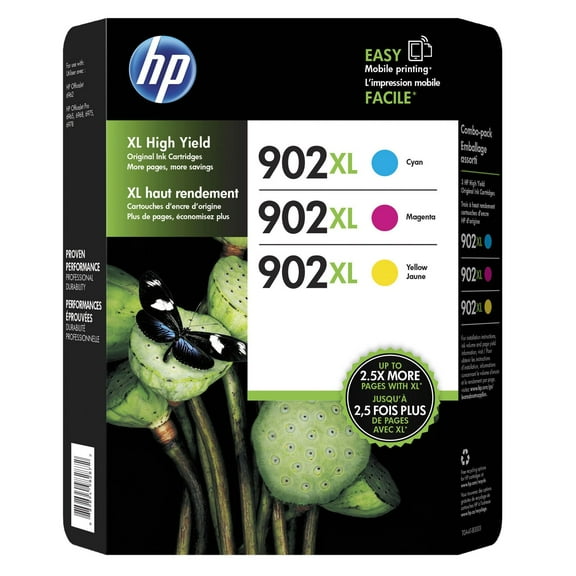
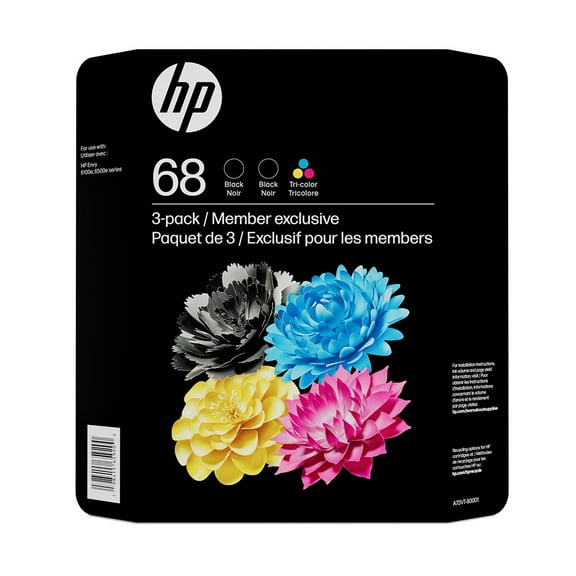
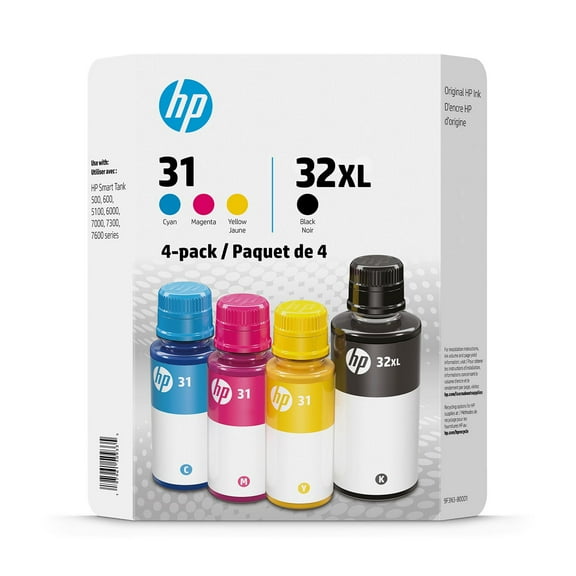
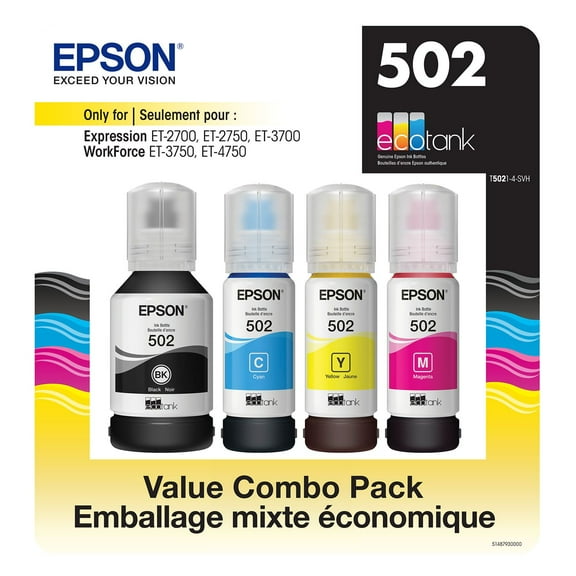
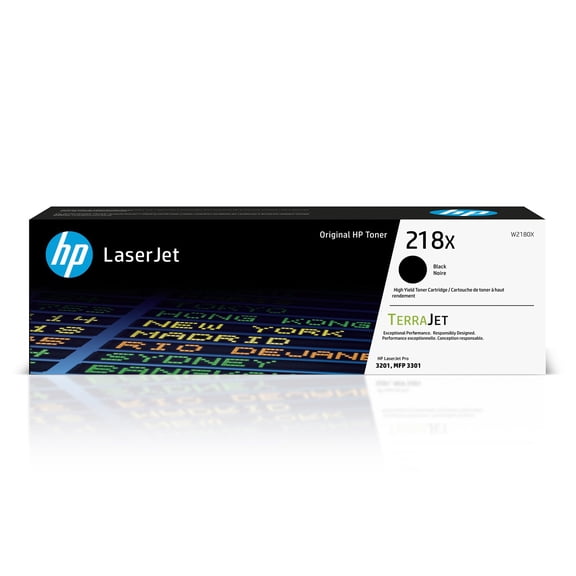
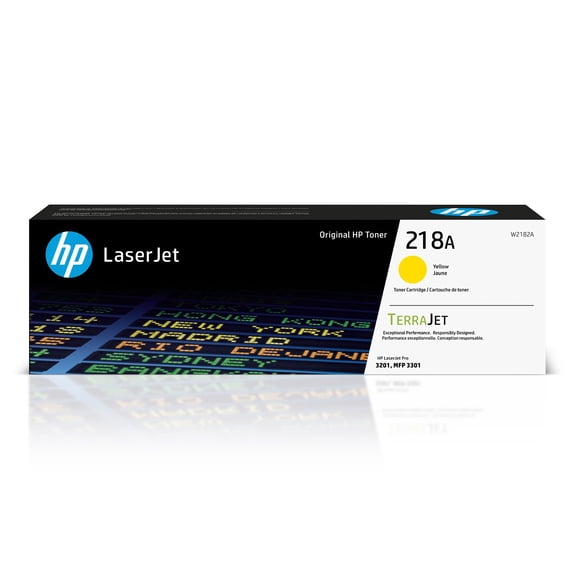
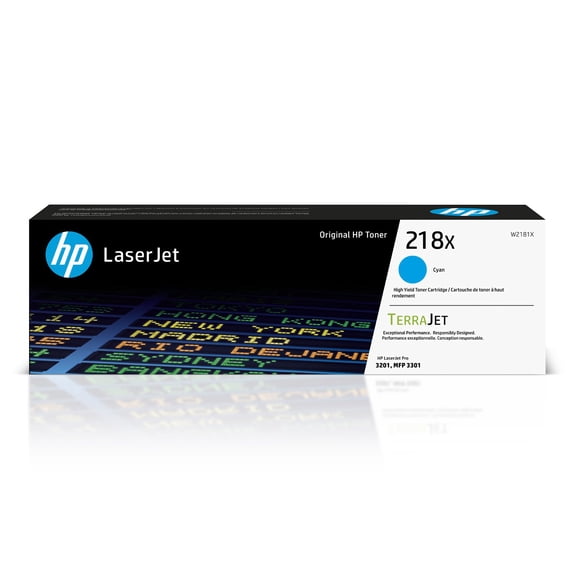
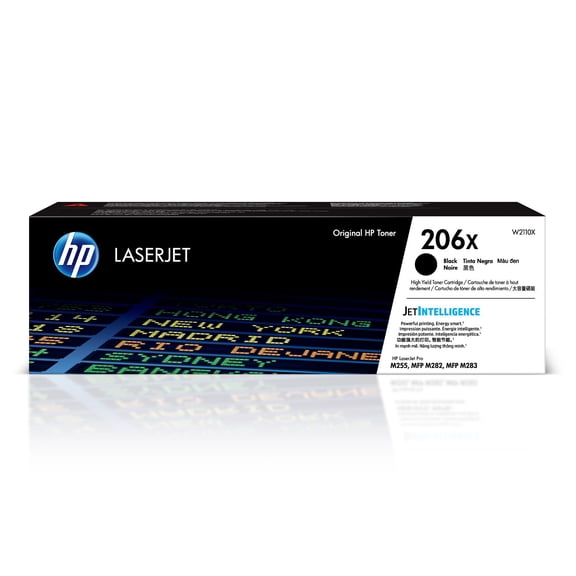
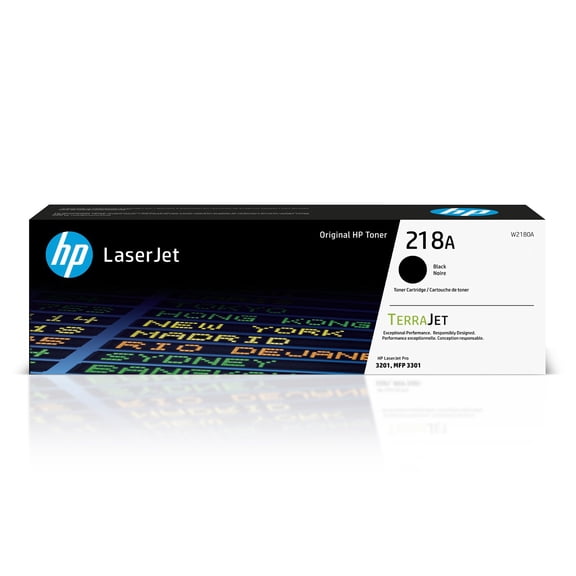
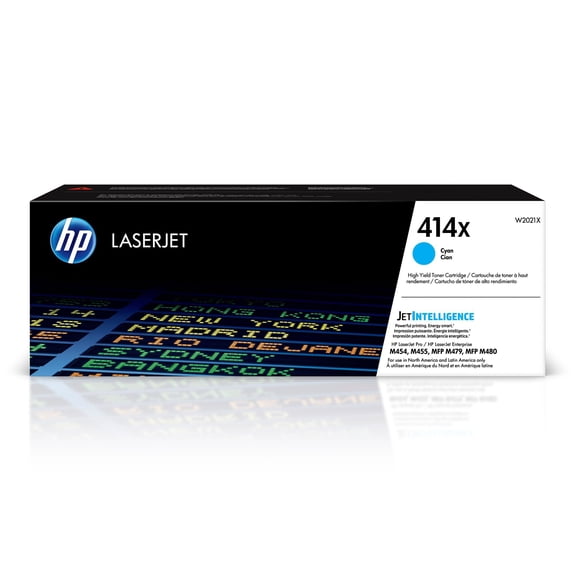
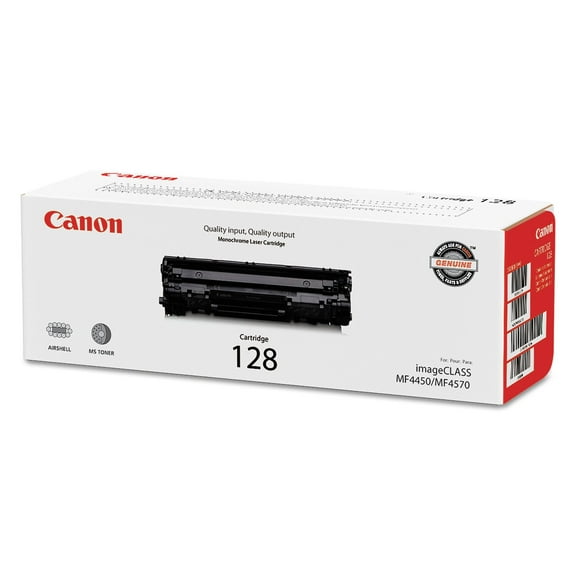
About Printer Ink & Toner Cartridges
Keep Your Workstation Ready with Premium Bulk Printer Ink & Toner Assortments
Maintaining a productive home office, corporate business, or student workspace requires crisp, high-yield replacement fluids that won't fade or streak. At Sam’s Club, our Printer Ink & Toner collection connects you with original manufacturer replacement cartridges and high-capacity ink bottles designed for flawless hardware compatibility. From smart dual-packs to long-lasting laser toner, stock up on premium printing supplies at exclusive member values.
Shop Genuine Ink & Toner by Manufacturer
Explore our highly rated replacement inventory to find the exact match for your hardware model:
HP Original Ink & Laser Toner
Achieve rich, fade-resistant color gradations and bold monochrome text lines using factory-engineered formulas.
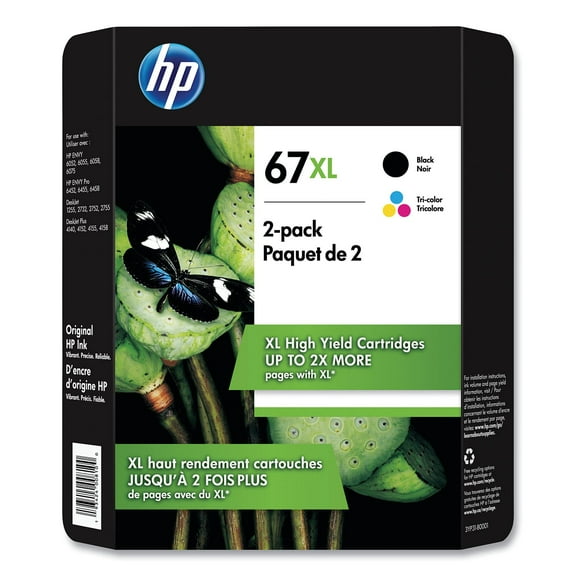
- HP 67XL High Yield Black/Tri-Color Ink Cartridges (2-Pack) – Provides double the standard page yield for active household printing, assignments, and photo rendering.
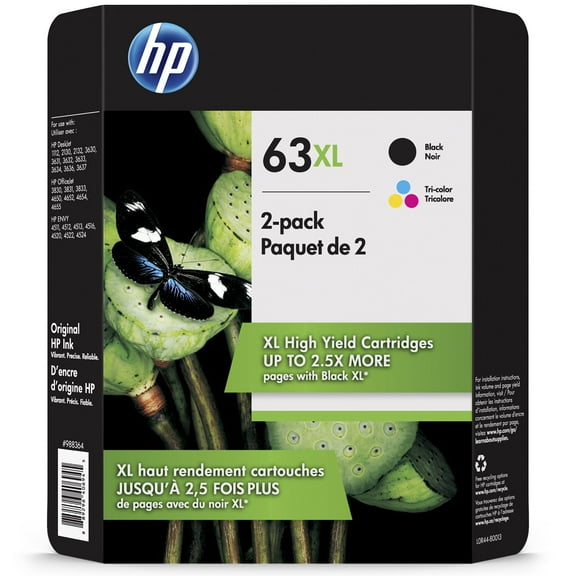
- HP 63XL High Yield Black Original Ink Cartridge – A high-capacity monochrome staple formulated to deliver sharp text documents copy after copy.
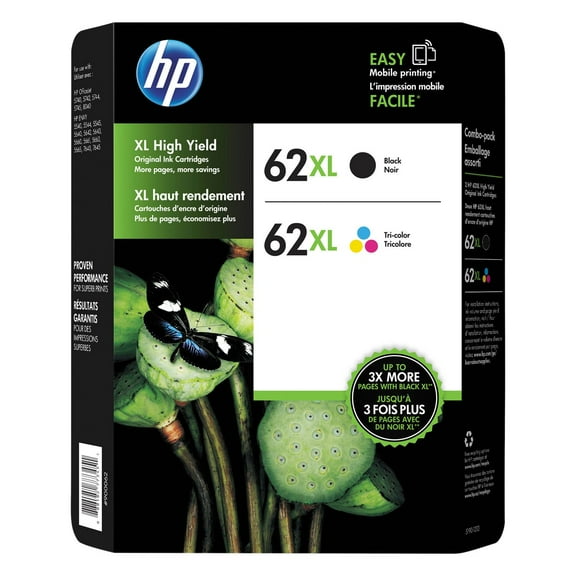
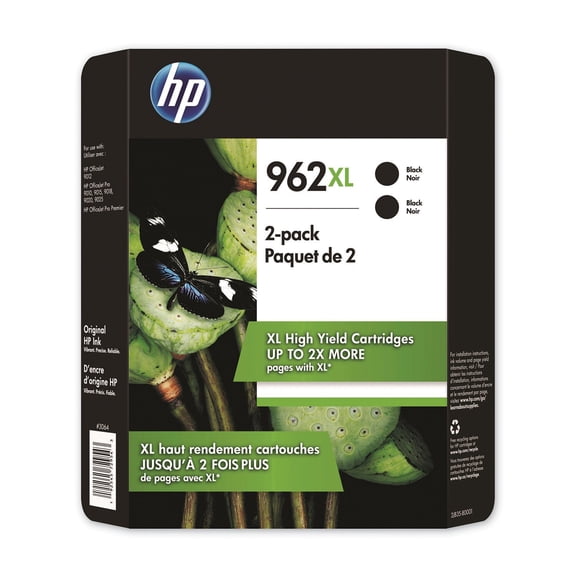
- HP 62 XL High-Yield Ink – Commercial-grade high-yield ink available in 2 packs.
Epson EcoTank & Inkjet Refills
Keep your liquid-reservoir supertank systems or traditional wide-format photo printers supplied with vivid, smudge-proof colors.
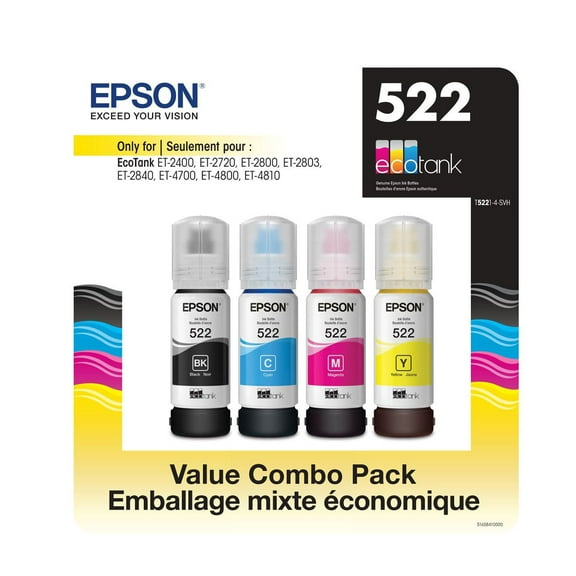
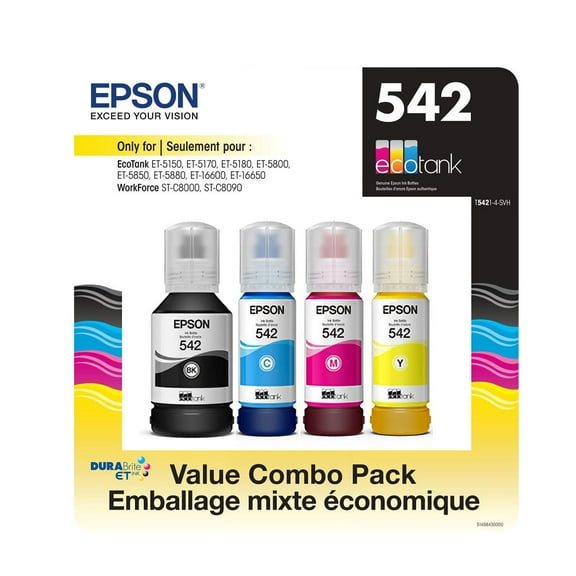
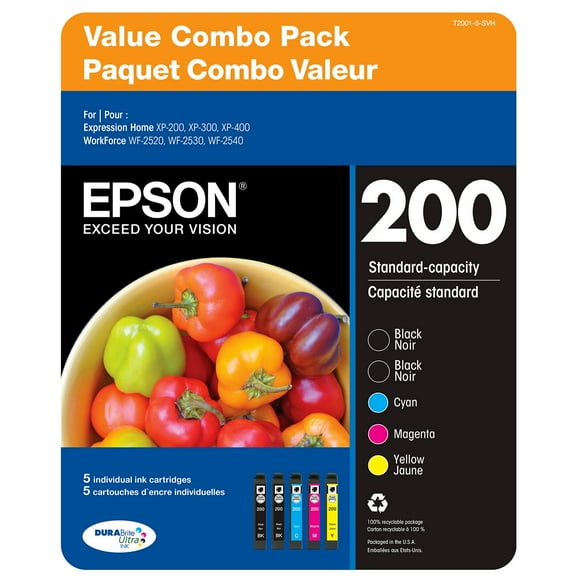
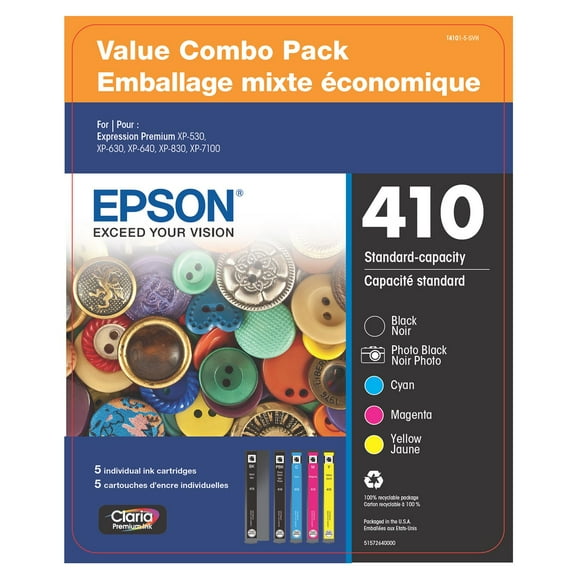
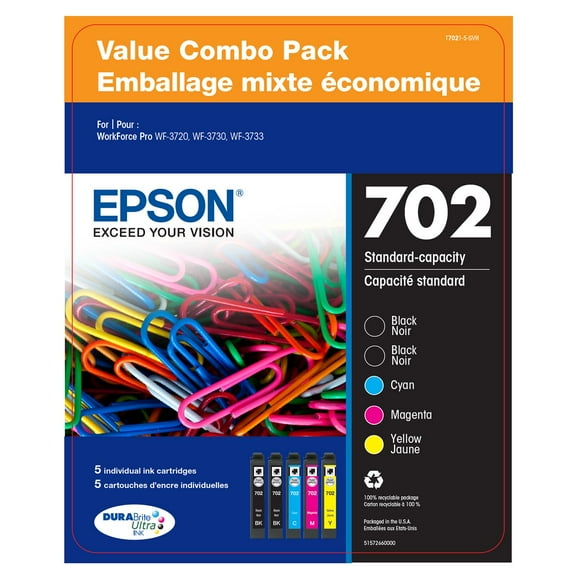
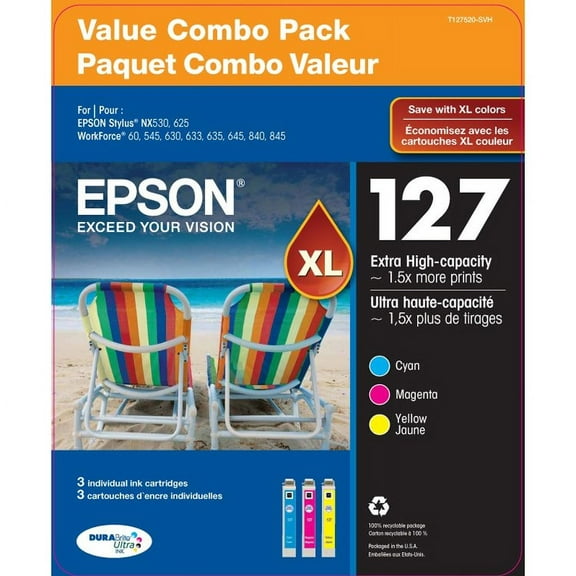
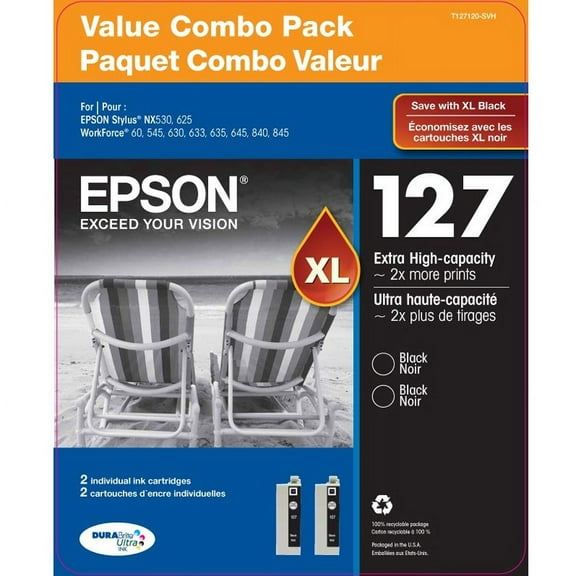
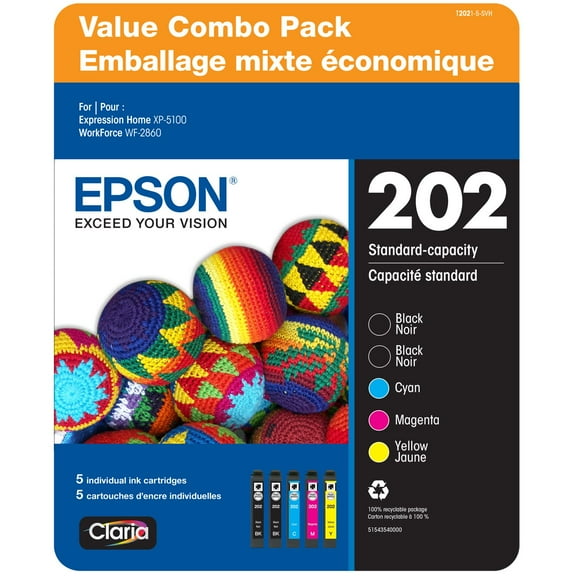
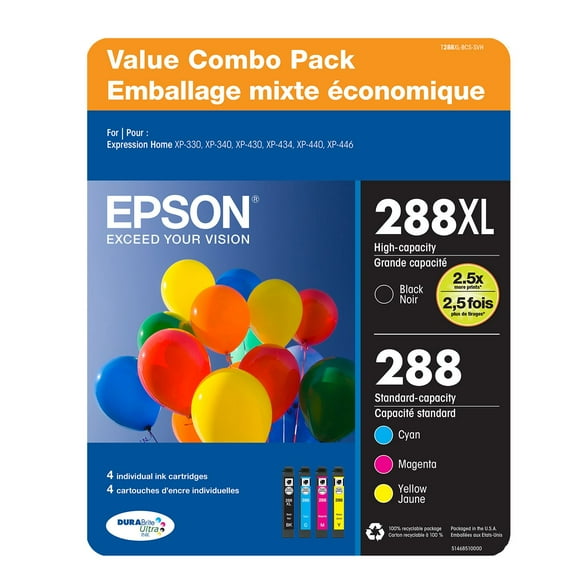
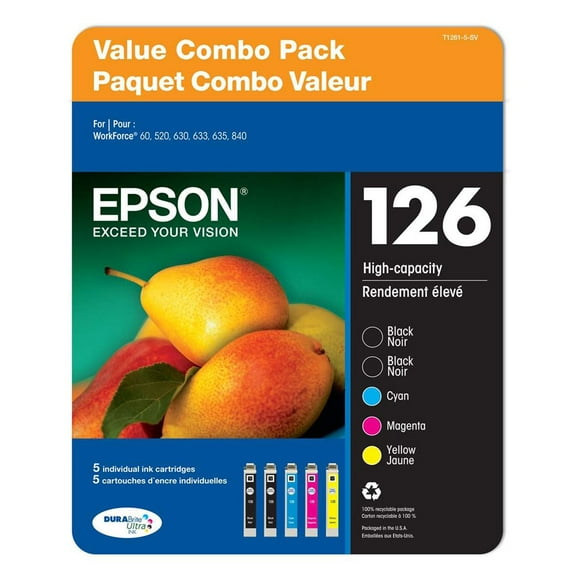
- Epson EcoTank 502 Ink Bottles Value Club Pack – Features mess-free, uniquely keyed bottle caps designed for fast, economical tank replenishment.
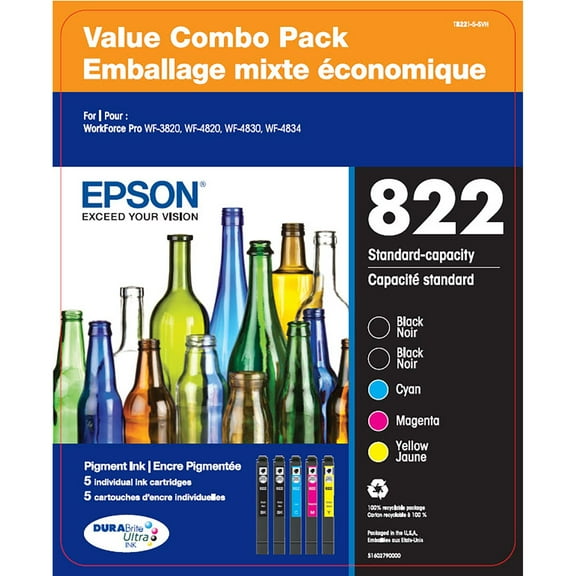
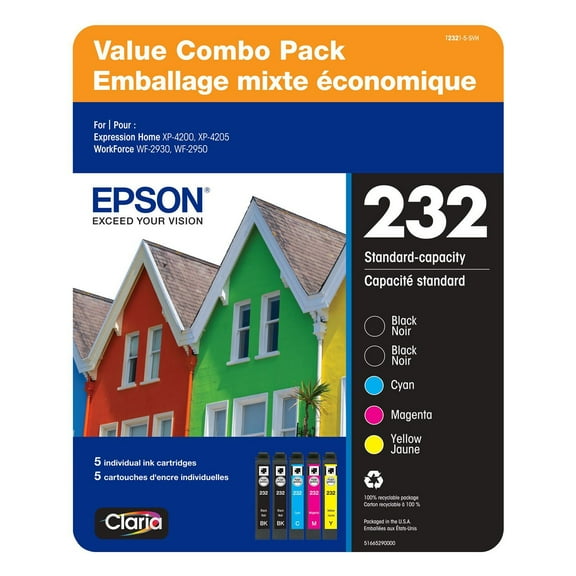
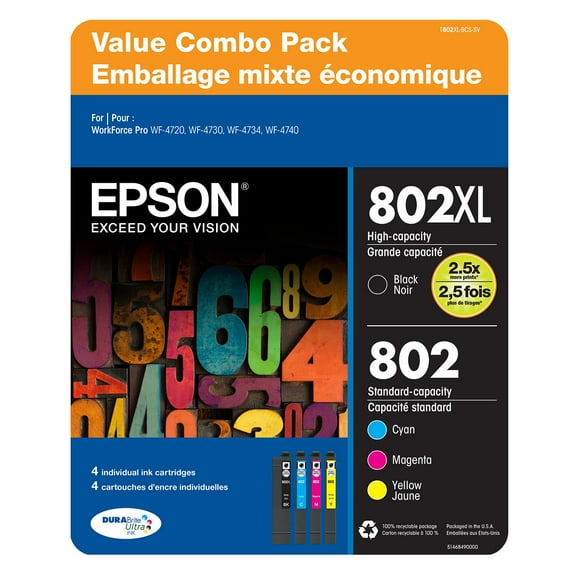
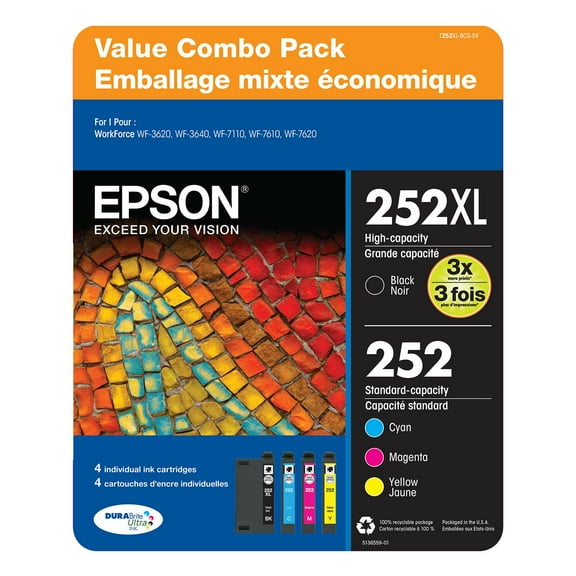
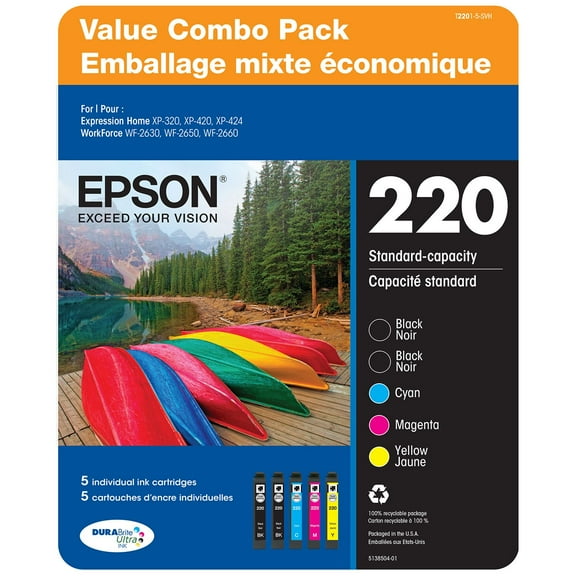
- Epson T220 DURABrite Ultra Black/Color Ink Packs – Fast-drying, pigment-based ink layers optimized to deliver crisp results on both plain and glossy paper.
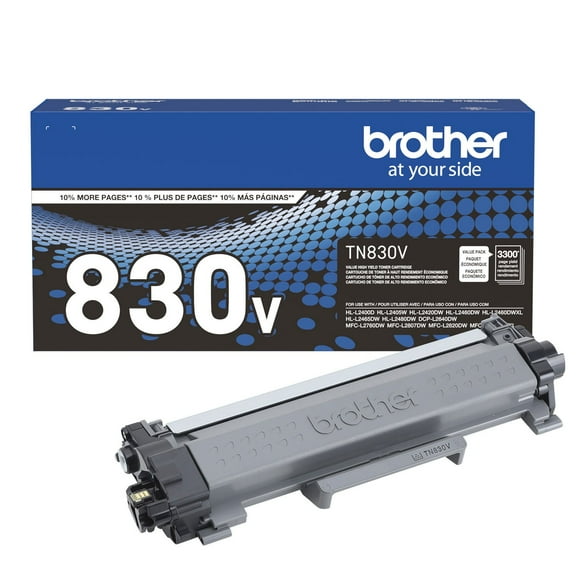
Brother High-Yield Monochrome Laser Toner
Maximize your office output and minimize downtime with heavy-duty cartridges built for continuous document processing.
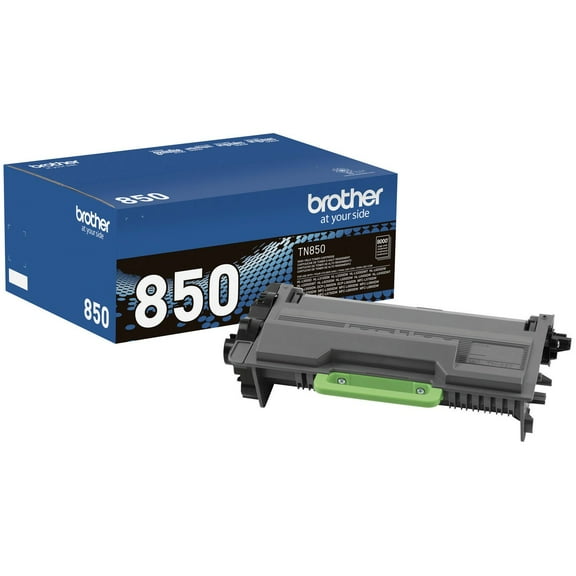
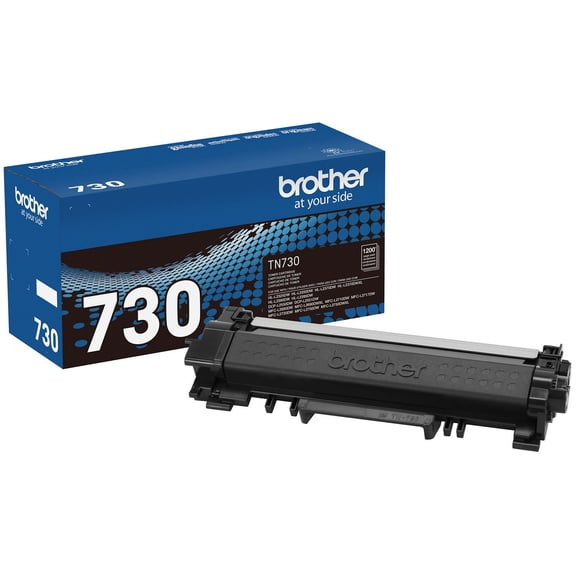
- Brother TN850 High-Yield Black Toner Cartridge – A heavy-duty business asset designed to deliver thousands of crisp text pages per cycle.
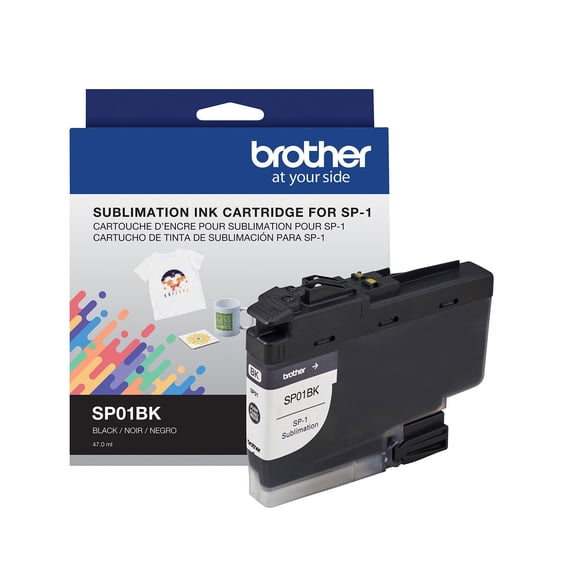
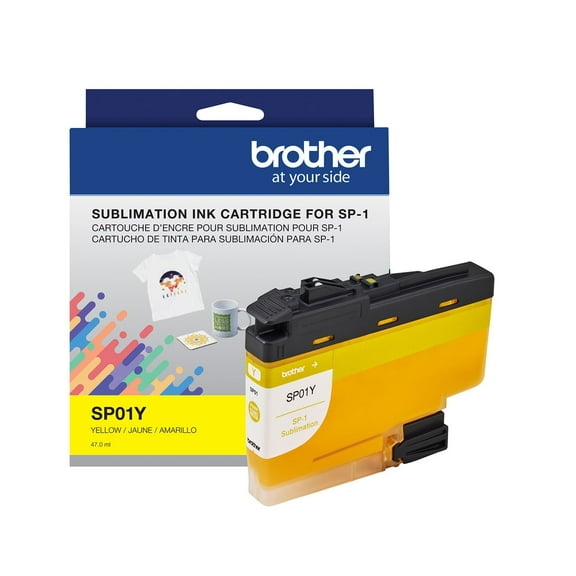
- Brother SP01YS Sublimation Ink Cartridge – Delivers clean, professional-grade invoicing and documentation line printing for homes and businesses.
Why Buy Ink & Toner from Sam’s Club?
We make keeping your office breakroom, school desk, or corporate workspace supplied straightforward and economical.
- Branded OEM Products: We carry printer items from trusted global brands like HP, Epson, and Brother, preserving your machine's warranty.
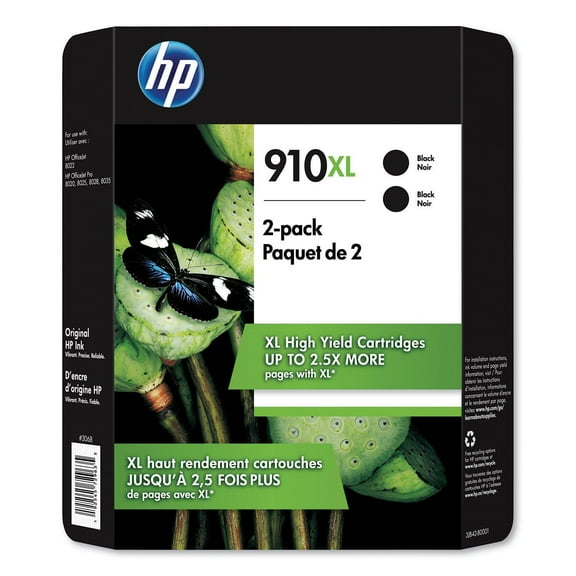
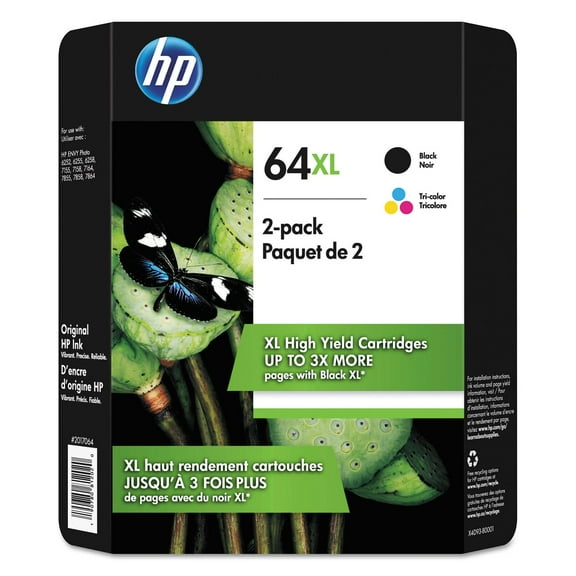
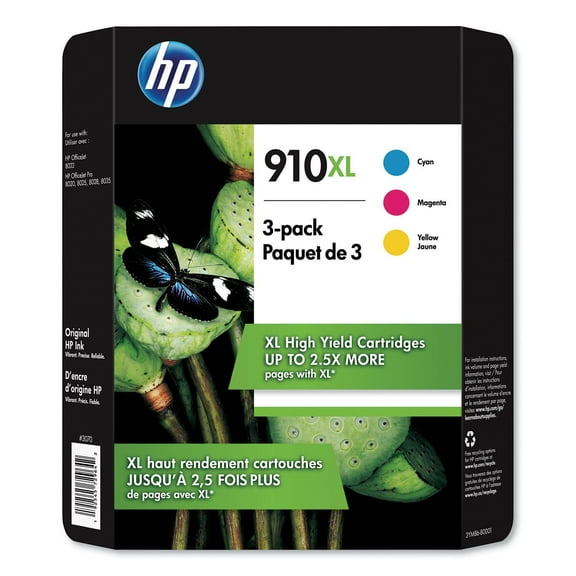
- Exclusive Bulk Club Packaging: Our multipacks and high-yield "XL" configurations offer significantly lower per-page printing costs than standard retail packages.
- One-Stop Office Prep: Coordinate your entire desk refresh under one roof by combining your ink with our bulk inventory of multipurpose copy paper and office stationary.
- Effortless Curbside Pickup: Order your replacement cartridges online and use our pickup service to stay fully stocked without wandering the aisles.