

Member's Mark Grass Fed Beef
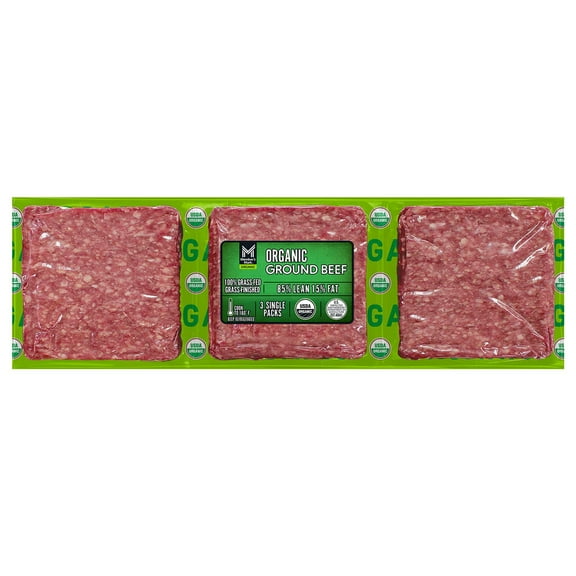
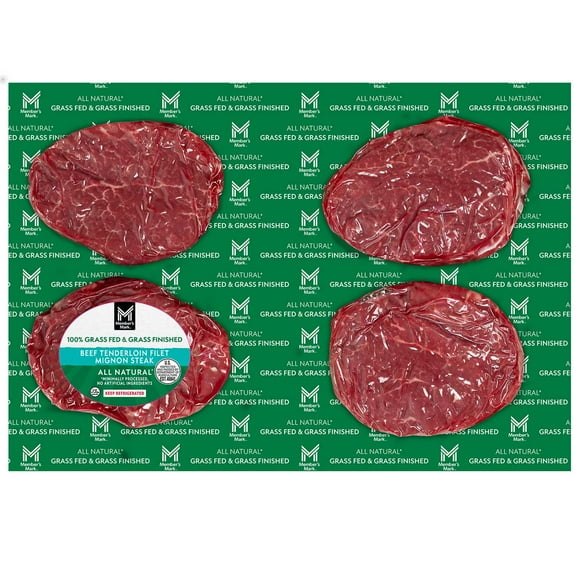
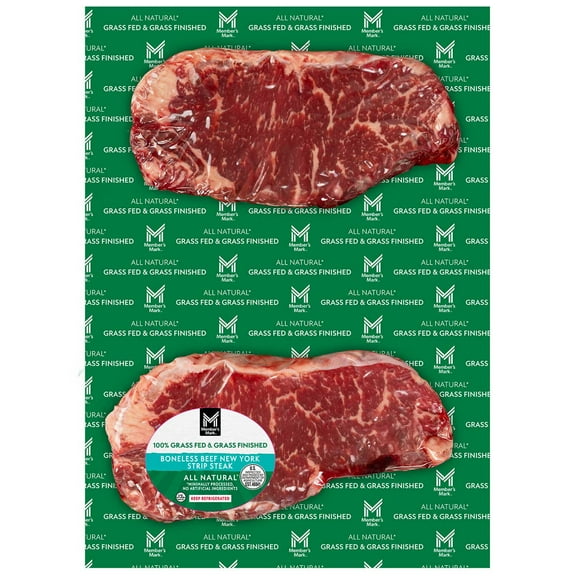
About Member’s Mark Grass Fed Beef
About Member's Mark Grass-Fed and Grass-Finished Beef
100% Grass Fed and Grass Finished Beef refers to the diet of the cattle. When cattle are labeled as 'Grass Fed', this means they have been raised on a grass diet throughout their lives. This distinction is important as it greatly influences the quality, taste and nutritional content of the beef. Grass Fed and Grass Finished Beef is characterized by a naturally yellow fat. Grass fed beef is known to have higher levels of dietary Omega 3s, antioxidants, and Vitamins A&E than traditional grain finished beef. These steaks usually have less marbling and external fat. Grass fed beef is best when cooked to medium rare or using low and slow cooking technique.
Best Feed & Grazing Management
We believe livestock grazing and beef production can be a part of a resilient, sustainable food system in the United States. It’s important because about 40% of the land in the U.S. is used for grazing that encompasses a wide range of ecosystems and wildlife. And pastures store a huge amount of soil carbon. With proper management, grazing can help secure clean water, enhance the habitat, sustain rural communities and even store additional carbon in the soil, which helps mitigate emissions.