

Bed Pillows









Frequently Asked Questions
About Bed Pillows: Memory Foam, Cooling Gel & Down-Alternative Pillows
Achieve Spinal Alignment with Premium Bed Pillows & Sleep Cushions
Waking up fully restored and free from neck stiffness requires an intentional sleep setup that supports your head and keeps your cervical spine perfectly aligned. At Sam’s Club, our Bed Pillows collection features advanced sleep technologies engineered to accommodate side, back, and stomach sleepers alike. From refreshing cool-to-the-touch gel memory foam to plush premium hotel-style pillows, explore top-tier structural pillows from the world's leading bedding brands at exclusive warehouse values.
Shop Tailored Support Pillows by Core Fill Material
Explore our highly rated sleep cushions, hand-selected to deliver the ideal combination of responsive pressure relief and all-night breathability:
Intelligent Memory Foam & Cooling Gel Pillows
Contour to the unique architecture of your head and neck while actively dispersing trapped body heat.
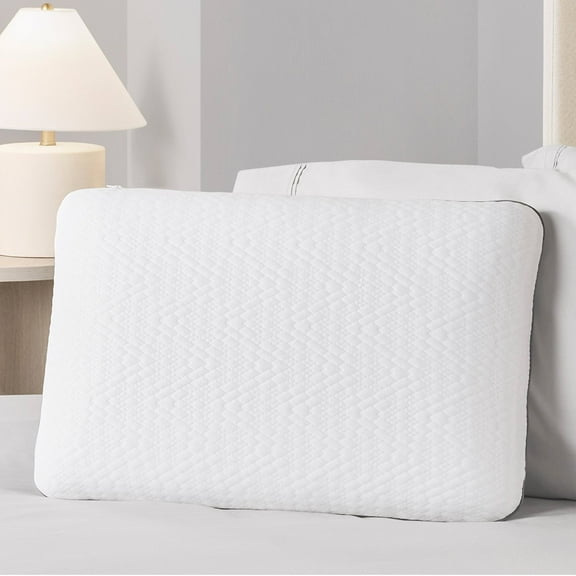
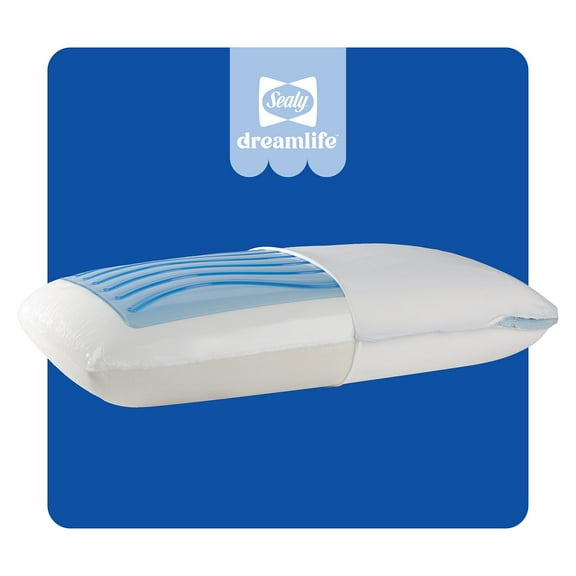
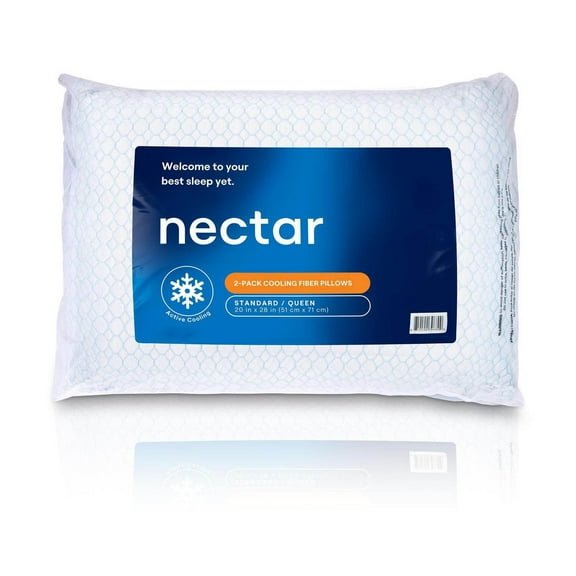
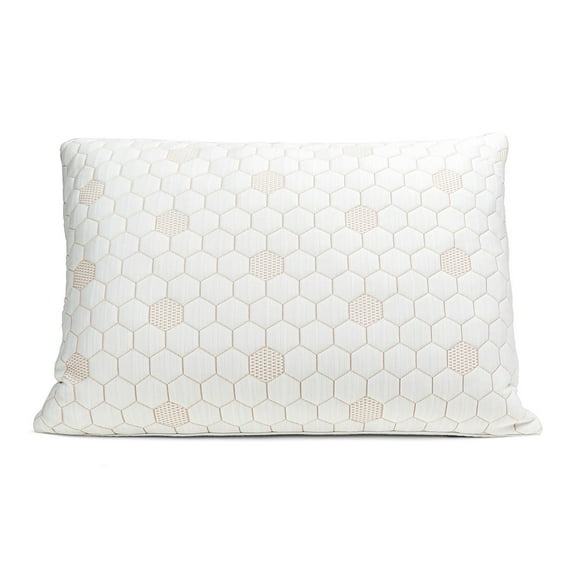
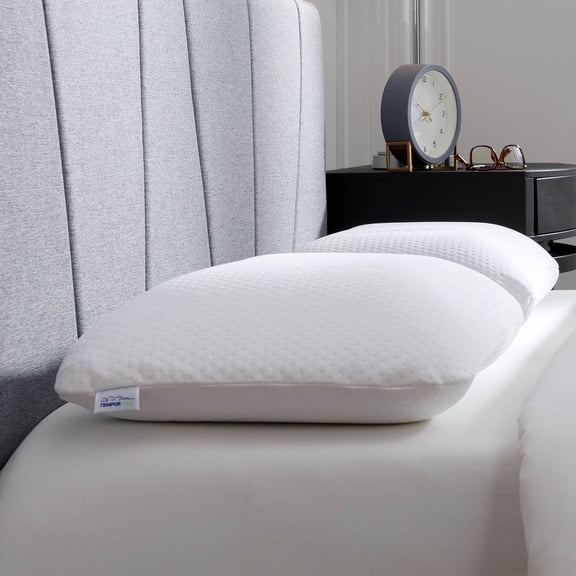
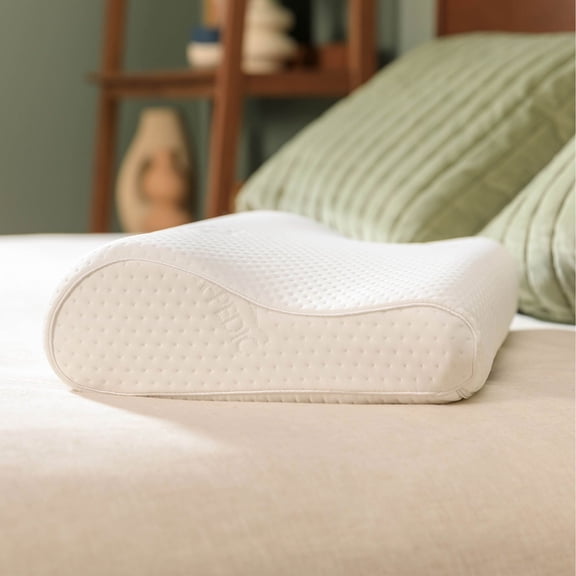
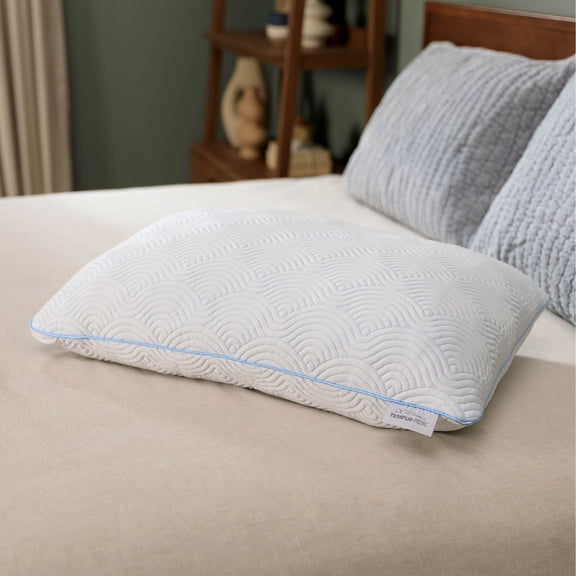
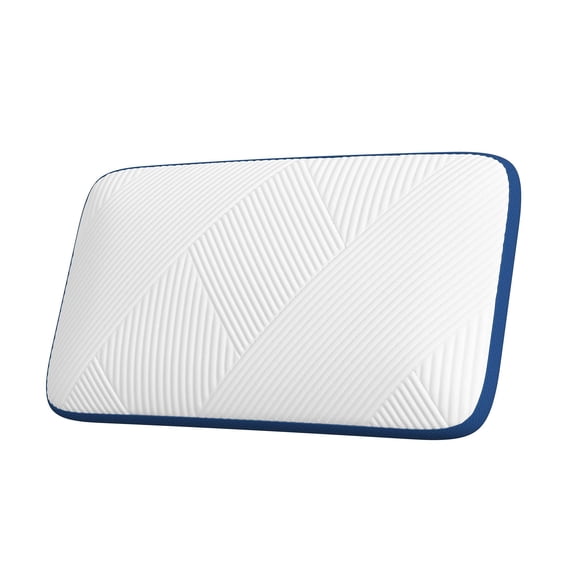
- Member's Mark Active Cooling Gel Memory Foam Pillow – Uses a supportive, high-density memory foam core wrapped in a phase-change cooling cover that stays cold to the touch all night.
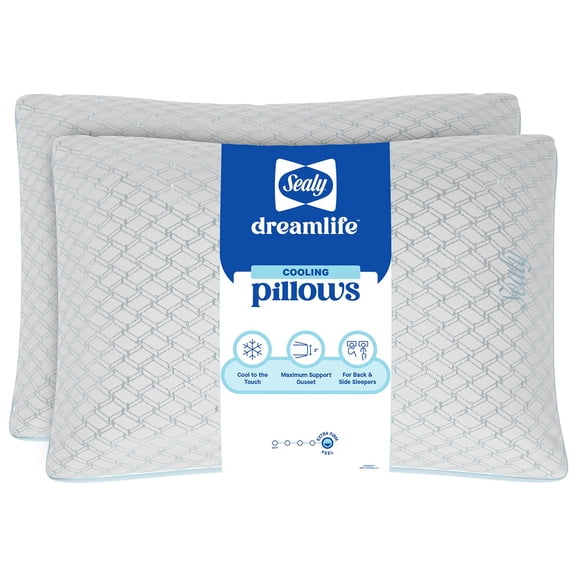
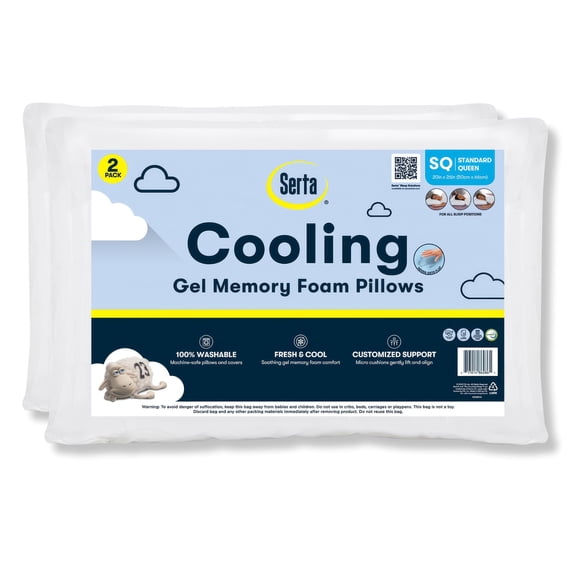
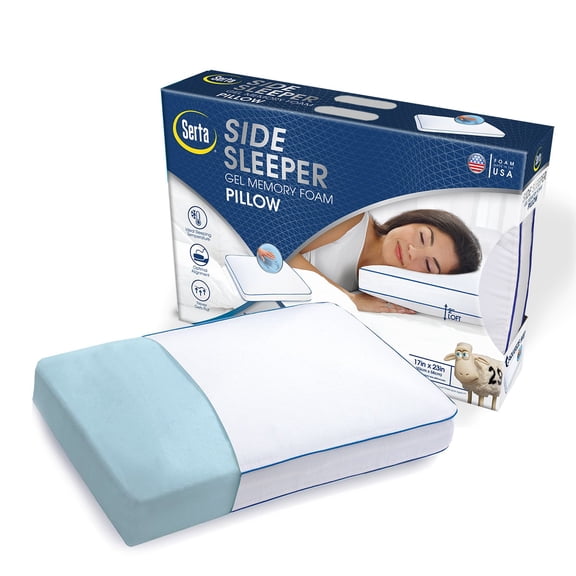
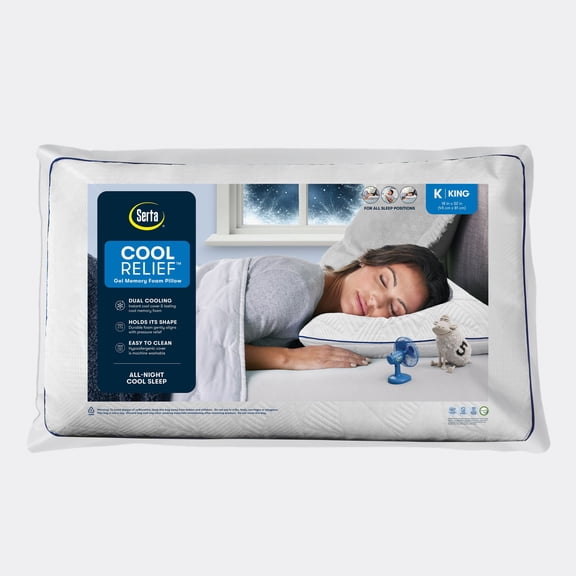
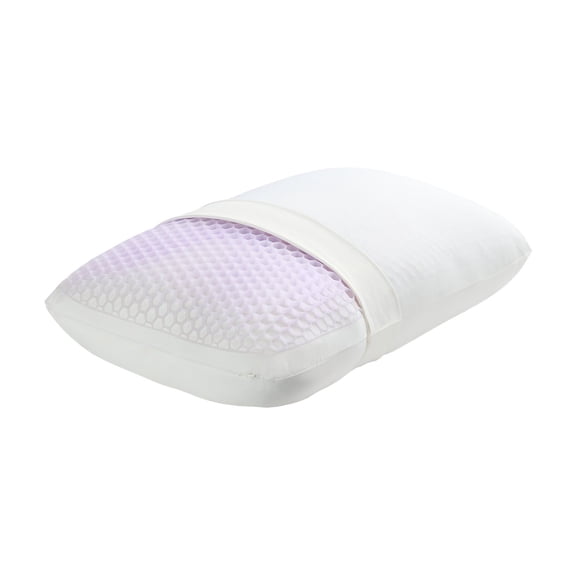
- Serta Gel Memory Foam Pillow – Combines a Dual cooling technology with gel memory foam base and Constant Cool cover ideal for hot sleepers.
Cloud Pillows & Multi-Packs
Indulge in a cloud-like, luxury hotel feel with clean synthetic fibers that maintain their loft without flattening.
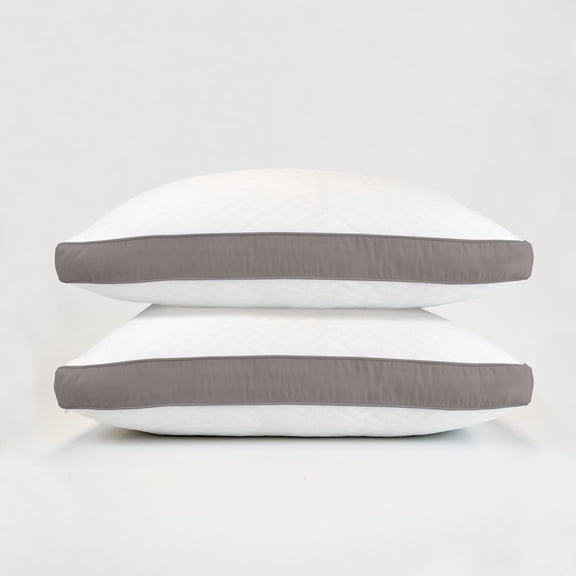
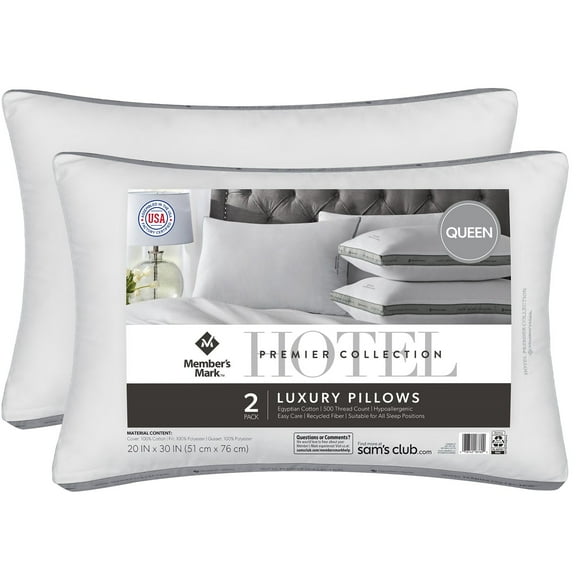
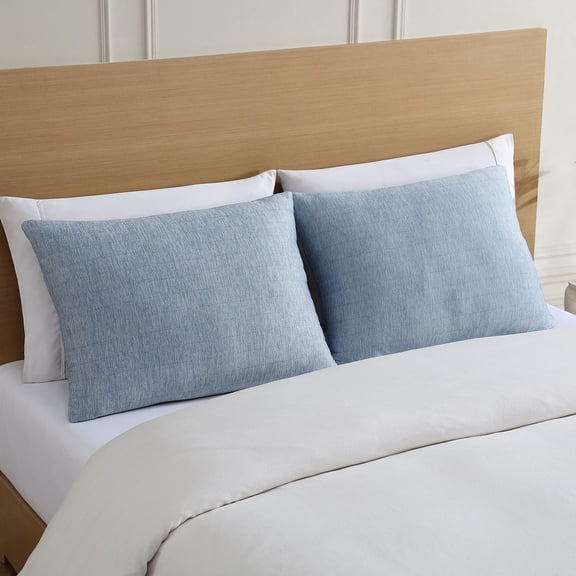
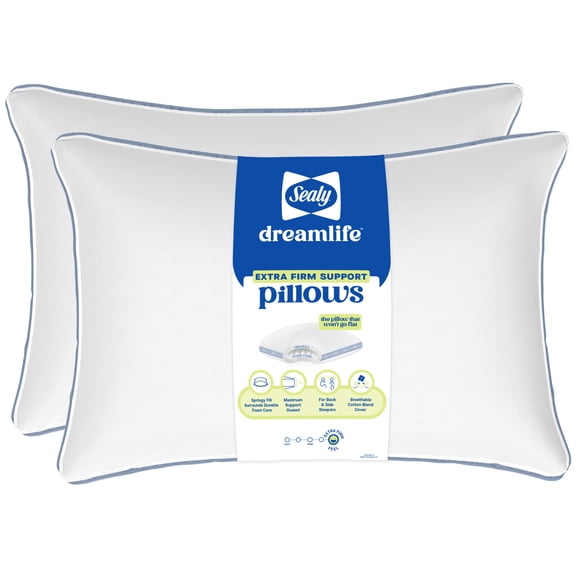
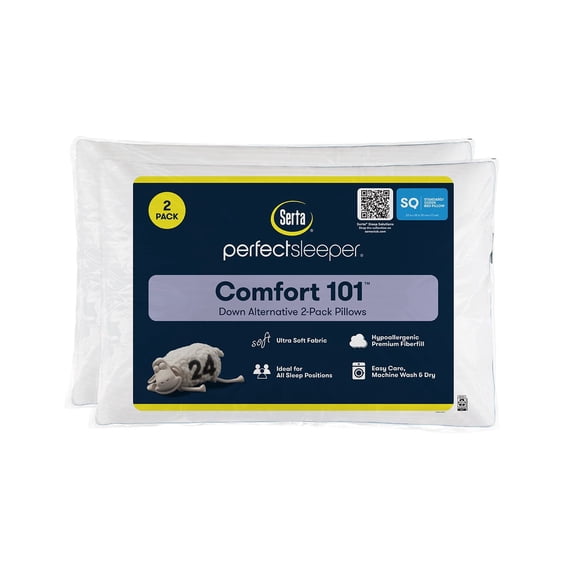
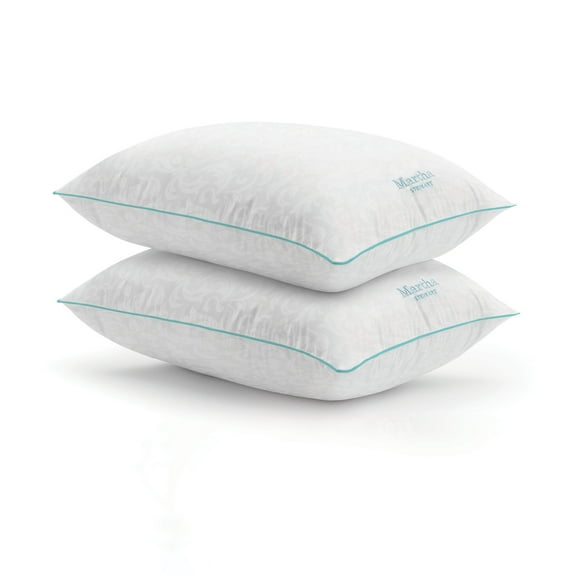
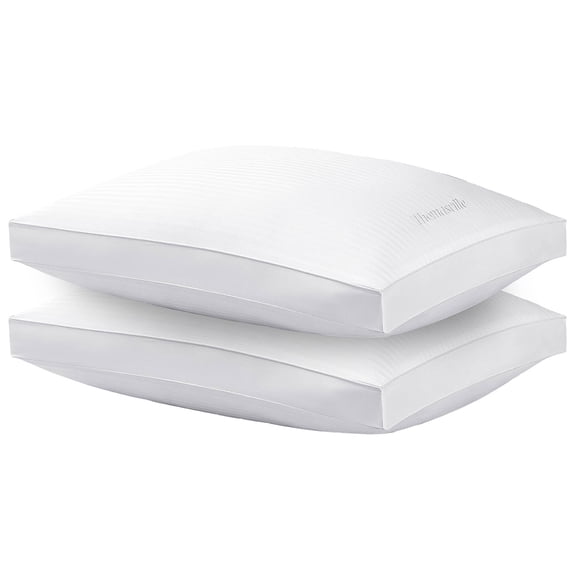
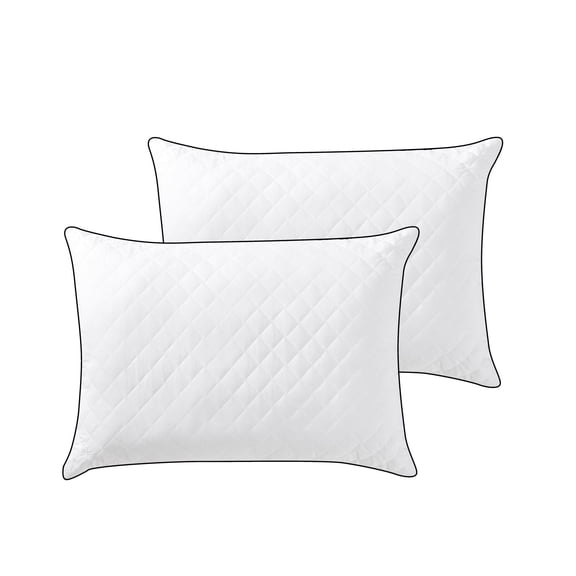
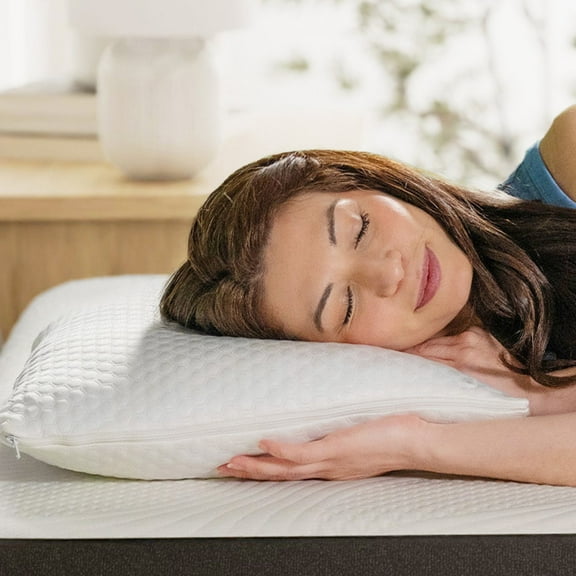
- Member's Mark Luxury Hotel Premium Pillow (2 pk.) – Packed with dynamic polyester fiberfill that mimics the airy insulation of natural goose down while remaining completely hypoallergenic.
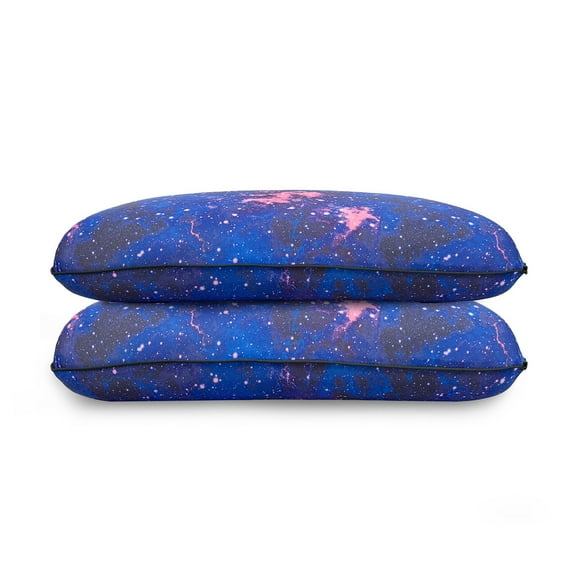
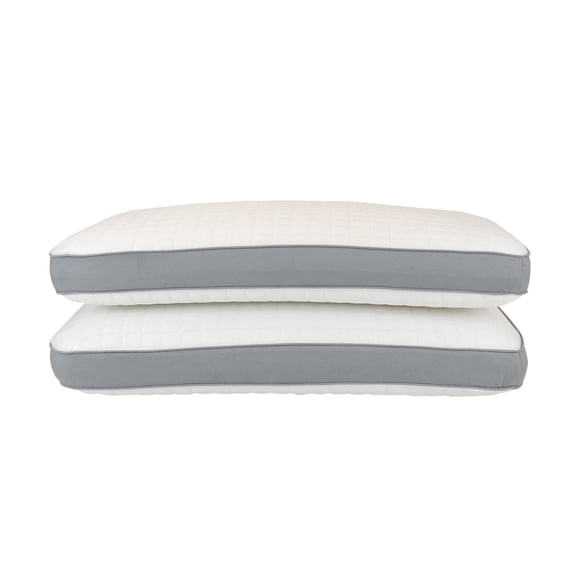
- Imaginarium Memory Foam Luxury Pillow (2 pk.) – Engineered with a specialized cool-to-touch architecture and supportive structure, these pillows are perfect for all types of sleepers looking for support and cooling.
Ergonomic Contoured Cushions & Specialized Support
Target localized joint pressure and upgrade your posture during seated reading or sleeping blocks.
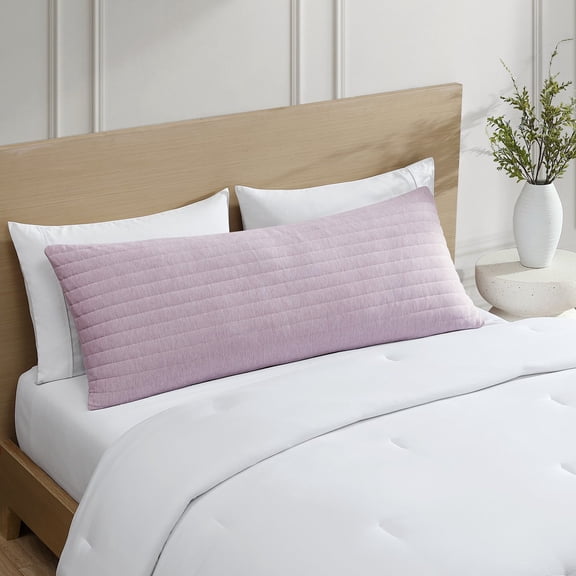
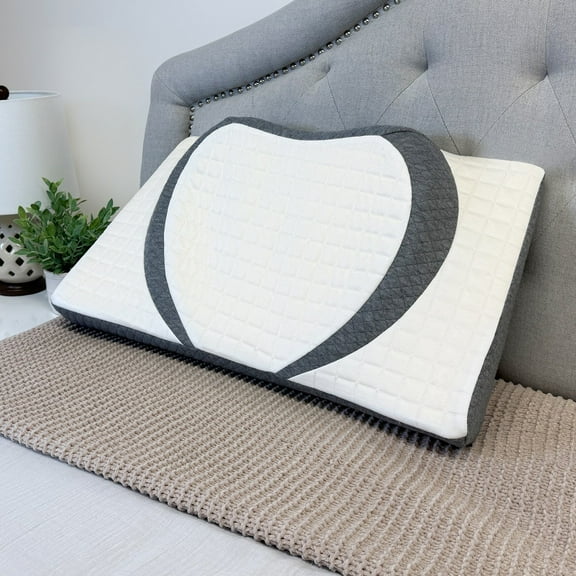
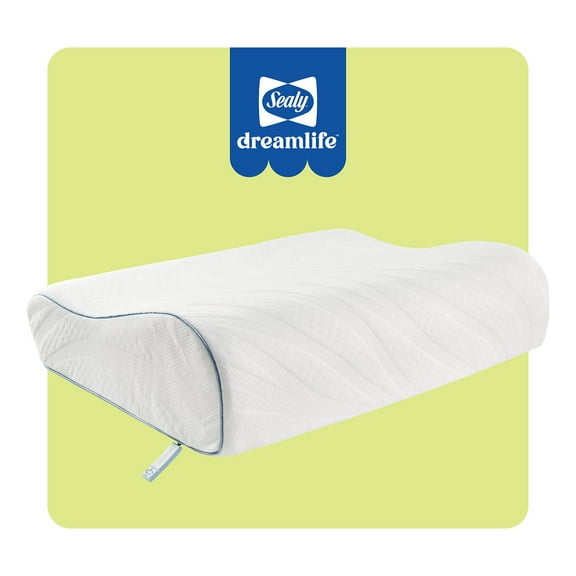
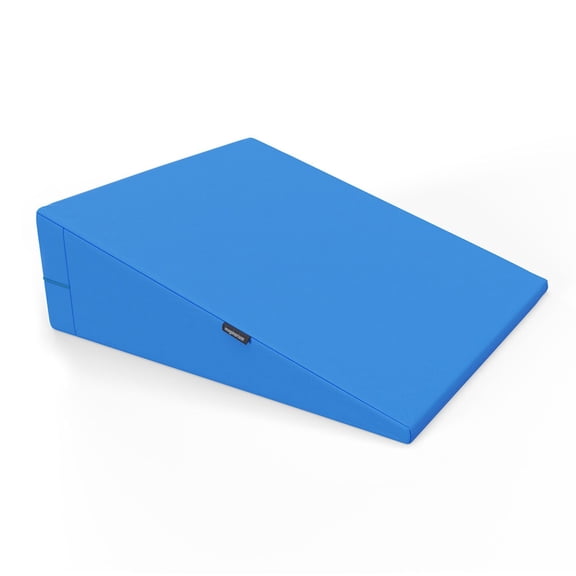
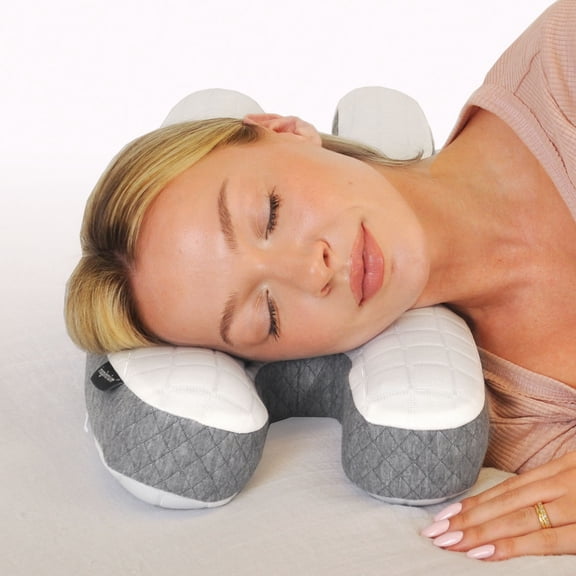
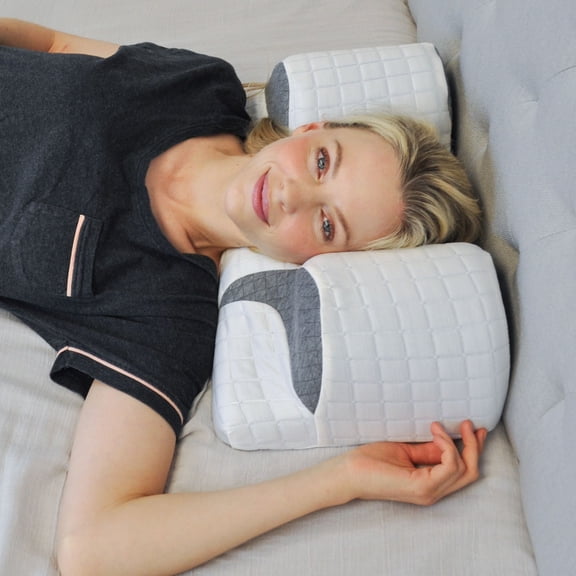
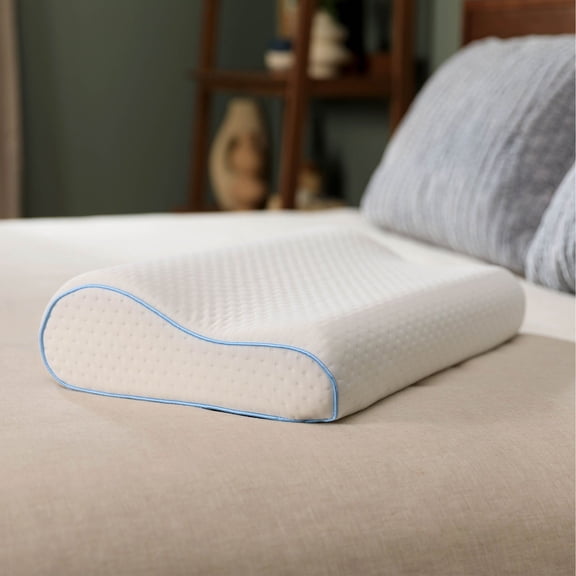
- Imaginarium Ergonomic Memory Foam 2-in-1 Pillow with Cooling Cover – Dual-zone ergonomic support with back trainer zone for spinal alignment and shoulder-relief section to reduce stiffness.
Why Purchase Bed Pillows in Bulk from Sam’s Club?
We strip away the high specialty boutique markups to deliver elite sleep configurations at honest, wholesale values.
- High-Value Multi-Packs: Many of our signature bedding pillow options ship bundled in convenient 2-packs, letting you refresh an entire master suite or guest room economically.
- Hypoallergenic Material Innovations: Our synthetic cluster and pristine foam lines protect your breathing airways against common household dust mites and allergens.
- Total Bedding Integration Access: Complete your bedroom rejuvenation project under a single warehouse invoice by pairing your new support cushions with our bulk high-thread-count bed sheets and all-season decorative quilts.
- Curbside Pickup & Delivery: Order your Standard, Queen, or King pillows online via our app or website and let our team load the items straight into your vehicle. Don’t want to leave your house? Schedule same-day or next-day delivery.